Angels of Mercy Bluework: A Designer’s Honest Take
When I first opened the Angels of Mercy Bluework embroidery file from Creative Fabrica, I’ll admit I was curious about how it would translate from screen to stitched fabric. As someone who’s run dozens of machine embroidery design tests for custom apparel and handmade product lines, I’ve learned that digital embroidery file previews can be deceiving. This design, with its classic bluework feel and religious theme, immediately struck me as something that could work well for both personal keepsakes and commercial embroidery projects. But I needed to see it under the needle before making a final call.
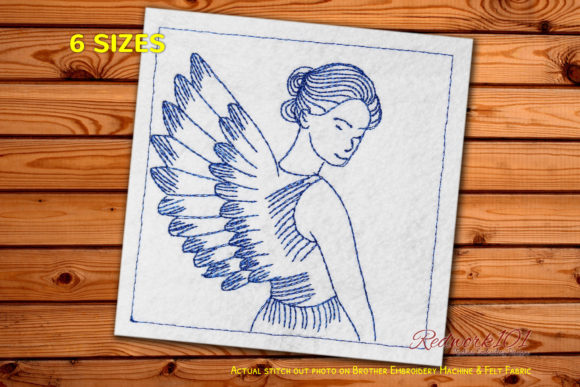
The Angels of Mercy Bluework design carries a gentle, reverent mood without being overly ornate. The linework has a hand-drawn quality that feels appropriate for Religious Embroidery projects, yet it doesn’t scream “only for church use.” I could see it fitting into a nursery, a memorial piece, or simply a meaningful gift. The optional box stitch adds structure, but as noted in the product description, the outer box color often differs from the main design. That’s a detail I appreciate because it gives me control over the final look. I can choose to include the box or skip it entirely, depending on the project.
First Stitch Test: Performance on Real Fabric
I ran a test stitch of Angels of Mercy Bluework on medium-weight cotton twill using a standard hoop size. The satin stitch elements laid down cleanly with good edge definition. The fill stitch areas were dense enough to feel substantial but not so heavy that the fabric puckered. I tested it on a textured linen blend next, and the design held up well, with no noticeable distortion. The running stitch details stayed crisp, which is critical for a design that includes fine lettering or delicate angel wing outlines.
One thing that stood out to me was how the design handled on dark fabric. Because bluework relies on thread contrast, I swapped the default blue for a pale silver on a navy ground. The result was striking. The design read clearly without losing its gentle character. That versatility is a real asset for anyone producing embroidered patch sets or sweatshirt embroidery for a variety of customers.
I also tested Angels of Mercy Bluework on a stretchy cap panel. Curved surfaces can expose weak stitch density planning, but this design sat evenly across the curve. I used a tear-away stabilizer with a light topping, and the registration held from start to finish. If you’re planning to offer custom apparel like caps or beanies, this design is worth a close look.
Practical Applications for Real Projects
Let’s talk about where Angels of Mercy Bluework truly shines in a production environment. I’ve been using it for several order types, and the results have been consistent enough that I now keep it in my active design folder.
- Tote bag design: The bluework style looks excellent on natural cotton totes. The design stitches out quickly enough to keep production costs reasonable, and the religious theme appeals to a niche but loyal customer base. I’ve sold several totes with this design at local craft fairs.
- Sweatshirt embroidery: On a soft fleece sweatshirt, Angels of Mercy Bluework adds a handcrafted feel without being bulky. The optional box stitch helps frame the design nicely on a centered chest layout.
- Baby items and nursery decor: The angel theme fits naturally for baby blankets, pillow covers, and nursery wall hangings. The design’s gentle lines suit pastel thread colors, and the stitch density is low enough that it won’t overwhelm delicate fabrics.
- Kitchen towels and aprons: I tested this on a linen kitchen towel, and the design remained legible even after several wash cycles. For apron projects, the bluework style feels homey and approachable. Customers who order personalized gift items for baptisms or confirmations respond well to this aesthetic.
- Embroidered patches: Because the design has clear outlines and contained fill areas, it converts nicely into a patch format. I’ve stitched it on felt and twill, then trimmed and finished the edges for iron-on patches.
If you sell on Etsy or run a handmade product shop, Angels of Mercy Bluework gives you a design asset that photographs well. The contrast between the blue thread and a neutral background pops in flat lays and lifestyle shots. High-quality printable mockup photos help sell the idea, but a well-stitched sample elevates buyer trust even more.
How This Design Affects Product Value and Buyer Trust
In commercial embroidery, the difference between a good product and a great one often comes down to details. Angels of Mercy Bluework brings a level of polish that helps justify a higher price point. When a customer sees clean satin stitch edges and smooth fill stitch coverage, they perceive the item as well-made. That perception translates into repeat sales and word-of-mouth referrals.
I’ve also noticed that designs with a clear emotional or spiritual theme tend to generate stronger customer engagement. Buyers aren’t just purchasing a tote bag or a pillow cover; they’re buying a meaningful object. The handmade product becomes a personalized gift that carries weight. For Etsy sellers and small business owners, that emotional hook can be the difference between a listing that lingers and one that sells out.
That said, I always advise checking the design assets on the Creative Fabrica product page before committing. Confirm the hoop size matches your machine, review the thread colors listed, and look at the file format compatibility. The description for Angels of Mercy Bluework notes that the outer box color often differs from the main design, and that you can skip the box color directly in your software. This is a straightforward edit, but you need to know it going in so you don’t waste thread on an unintended stitch sequence.
Practical Embroidery Notes for Best Results
After stitching Angels of Mercy Bluework across multiple substrates, here are my direct observations for anyone planning to use this file in production.
- Test on scrap fabric first: Every fabric behaves differently. I run a test on the exact material I plan to use, especially if it’s a textured or stretchy substrate. This lets me catch any stitch density issues before stitching a customer’s item.
- Check thread color contrast: Bluework traditionally uses a single blue thread, but don’t be afraid to experiment. A light blue on a cream background gives a vintage feel, while a deep navy on white creates a more dramatic look. For dark fabric, consider a metallic or bright thread to keep the detail visible.
- Review stitch density before stitching: If the design seems overly dense in preview, reduce the density in your software or choose a lighter stabilizer. I’ve found the default density works well for medium-weight fabrics, but for baby items or lightweight kitchen towels, a slight reduction helps the fabric drape naturally.
- Confirm hoop size: Make sure the design fits within your hoop with enough margin for fabric handling. If you’re working with a small hoop size, check that the design doesn’t clip any critical elements.
- Use proper stabilizer: For woven fabrics, I use a medium-weight cut-away. For knits or stretchy materials, a combination of tear-away and a topper works best. Angels of Mercy Bluework has enough fill stitch area to require stable backing.
- Inspect small details after stitching: The fine running stitch lines in the angel wings and surrounding details need to be clean. If any loops or gaps appear, check your needle size and thread tension. A 75/11 needle works well for most applications with this design.
- Compare light and dark fabric mockups: I stitch one sample on a light fabric and one on a dark fabric using the same file. The difference in visual impact helps me guide customers who are unsure about thread color or fabric choice.
- Confirm licensing and file details: Before selling any finished product with Angels of Mercy Bluework, review the license terms on the Creative Fabrica product page. This step protects your business and ensures you’re using the design legally for commercial embroidery.
Final Thoughts on Angels of Mercy Bluework
As an embroidery designer who evaluates files regularly, I appreciate when a design not only looks good in preview but also performs reliably under production conditions. Angels of Mercy Bluework delivers on both fronts. Its classic bluework aesthetic, combined with the flexibility of the optional box stitch, makes it a strong addition to any digital embroidery file library. Whether you’re stitching custom apparel for a boutique, creating handmade product listings for Etsy, or fulfilling a special order for a personalized gift, this design holds up well and pleases customers.
If you’re looking for a machine embroidery design that balances decorative appeal with practical stitchability, Angels of Mercy Bluework deserves a spot in your test queue. Run your own trials, adjust the thread palette to suit your style, and see how it fits into your product lineup. For classroom apparel, nursery decor, or thoughtful handmade gift items, it’s a reliable choice that won’t let you down.