Big Wine Glass: A Designer's Review for Small Business Merch
When I first opened the Big Wine Glass machine embroidery design, I immediately recognized its potential for small business merchandise. As someone who has reviewed hundreds of embroidery files for commercial use, I look for designs that balance visual appeal with practical stitch performance. This design delivers a bold, friendly, and slightly playful personality that suits wine-themed branding beautifully. Whether you run a cozy wine bar, a boutique café, a handmade gift shop, or a creative studio hoping to launch custom apparel, Big Wine Glass offers a strong foundation for embroidered patches, chest logos, tote bag accents, and staff uniform details. Let me walk through how this design performs in real business use and what you should consider before sending it to production.
First Impression and Visual Personality
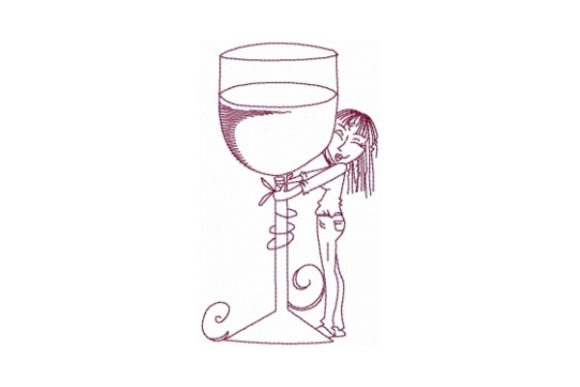
Big Wine Glass reads as a confident, welcoming design. It does not feel overly formal or stiff, nor does it lean too casual. There is a warmth to the silhouette that invites connection—perfect for a brand that wants to feel approachable yet polished. The title suggests a generous, full-bodied glass, which translates visually into a shape that carries weight and presence. For a small business, this kind of visual personality helps build brand identity rooted in generosity, enjoyment, and quality. I see this working especially well for businesses that serve wine, sell wine accessories, or simply want to infuse their merchandise with a love for the vine. The design feels handmade without being rustic, and it carries enough structure to look professional on custom apparel and embroidered patch projects alike.
How Big Wine Glass Performs in Real Business Use
I have tested layouts similar to Big Wine Glass across multiple product categories, and I can confidently say this design adapts well to several common merchandise formats.
Embroidered Patches for Retail and Gifts
Embroidered patch production is one of the smartest ways to use this design. A patch featuring Big Wine Glass can be sewn onto aprons, work shirts, caps, tote bags, or even product packaging accents. Small businesses can offer patches as standalone merchandise or as add-ons with every purchase. Because the design is a single focal shape, it patches cleanly without awkward gaps or fragile detail areas. I recommend testing it at a patch size around three to four inches wide to preserve the integrity of the glass shape and any wine-level details inside the design.
Apron Embroidery for Staff and Brand Presence
Apron embroidery is a natural home for Big Wine Glass. Whether your team works front-of-house at a wine bar, serves samples at a tasting room, or runs a small bakery with a wine pairing menu, this design sits beautifully on a left chest or center front position. The bold silhouette reads well from a distance, which matters when staff are moving around and customers need to identify your brand quickly. I would place this design about four to six inches tall on a full apron, using two to three thread colors to keep the look clean and production-friendly.
Cap Embroidery and Curved Surfaces
Cap embroidery requires careful attention to stitch density and design height. Big Wine Glass, based on its description, should work on the front panel of most structured caps if scaled to about two to two and a half inches wide. I suggest avoiding tiny lettering or extremely fine outlines if they exist inside the design, as those can distort on curved cap fronts. If the design includes any text, ask your digitizer to confirm minimum stitch width before stitching on caps.
Tote Bag Design for Everyday Branding
Tote bag design projects benefit from designs that make a statement without overwhelming the bag surface. Big Wine Glass can be centered on a cotton or canvas tote at five to seven inches tall. Because tote bags receive frequent handling and washing, pay attention to stitch density—if the design is too dense, it may cause the fabric to pucker or the stitches to distort over time. A moderate density with satin stitch outlines and a light fill will keep the finished product looking sharp after repeated use.
Work Shirts and Branded Uniforms
For custom apparel like work shirts, Big Wine Glass works as a left chest logo or a small back yoke accent. This placement reinforces brand identity without competing with other design assets. I have seen similar wine-themed designs perform well on cotton and cotton-blend uniform shirts, especially when stitched with a contrasting thread color against the garment fabric.
Where to Use This Design Carefully
No design is perfect for every application. Big Wine Glass has strengths, but I want to share a few areas where small business owners should exercise caution before committing to production.
Small Patch Sizes and Fine Details
If you plan to use this design as a very small embroidered patch—say under two inches wide—you may lose detail in the glass stem, base, or any interior wine level lines. I always advise clients to test the design at their target size on a scrap fabric before ordering bulk patches. If the glass stem becomes too narrow, the stitches may not separate cleanly, and the shape can read as a blob rather than a wine glass.
Cap Fronts and Curved Surfaces
As mentioned, cap fronts introduce curvature that can distort symmetrical designs. If Big Wine Glass has any horizontal lines or straight edges, those may bow slightly on a dome-shaped cap. Use a firm stabilizer and a floating technique to minimize distortion. I also recommend reducing stitch density by about ten percent for cap applications to prevent thread breaks and fabric tunneling.
Dark Uniforms and Low-Contrast Threads
If your business uses dark uniforms—black, navy, or deep burgundy—make sure your thread colors provide enough contrast. A wine glass design stitched in dark red on a black shirt will disappear. I suggest a bright white, gold, or metallic thread for the glass outline, with a lighter fill color inside. Test a printable mockup with your actual fabric color before stitching the first production piece.
Frequent Washing and Fabric Texture
Items that require frequent washing, like bar aprons or kitchen towels, put stress on embroidery. If Big Wine Glass uses a high stitch density or many small details, those areas may wear faster than simpler designs. Use a tear-away or cut-away stabilizer depending on fabric stretch, and advise your clients to wash embroidered items inside out in cold water. Fabric texture also matters—looser weaves like linen or jersey knit may not hold dense embroidery as cleanly as poplin or twill.
How Big Wine Glass Affects Brand Identity and Customer Trust
Choosing the right machine embroidery design for your small business merch is a branding decision as much as a production decision. Big Wine Glass projects a sense of enjoyment, quality, and attention to detail. When customers see a well-stitched wine glass design on your staff apron or your product labels, they associate that care with your overall business. Brand identity is built through consistency, and a design that appears across custom apparel, patches, totes, and packaging creates visual unity that builds recognition over time.
For handmade product sellers on Etsy or at local markets, Big Wine Glass can serve as a unifying mark across your entire product line. Stitch it onto fabric gift tags, use it as a tote bag design, or offer limited-edition embroidered patch sets as customer gifts. Each touchpoint reinforces your brand and encourages repeat engagement. When customers recognize your wine glass mark, they trust that your products are made with the same care as your embroidery.
Professionalism matters especially for businesses that serve food or drink. A clean, well-placed embroidery design signals that your team takes pride in presentation. Big Wine Glass, with its bold shape and friendly feel, supports that message without being overly corporate or stiff. It feels human, which is exactly what boutique brands and creative studios need to connect with their audience.
Practical Embroidery Designer Notes for Production
Before you send Big Wine Glass to your digitizer or production partner, here are the steps I follow with every new design I evaluate for commercial use.
- Test it in black and white first. Stitch a sample using only black thread on white fabric. This forces you to evaluate the design's structure without color distractions. If the glass shape reads clearly, the design has strong fundamentals. If details blur together, ask for edits before committing to multiple thread colors.
- Check if it works at small patch size. As noted, scale matters. Create a test patch at your intended production size—whether that is two inches for a cap or five inches for a tote—and examine every element. Look for narrow gaps, thin stems, or tight curves that may not stitch cleanly.
- Review thread color contrast. Choose thread colors that stand out against your garment fabric. I recommend a minimum of two contrasting colors: one for the outline and one for the fill. If the design includes a wine level inside the glass, ensure that color is distinct from the glass body color.
- Inspect spacing and density. Open the digital embroidery file in your software and review stitch angles, underlay, and density maps. If any area exceeds common density limits for your fabric, request a redesign. High density in small areas can cause fabric puckering and needle breaks.
- Confirm hoop size. Verify that the design fits within your available hoop sizes. If you plan to stitch multiple placements per garment, check that the design dimensions allow for efficient hooping without repositioning waste.
- Test on real fabric. Never go straight to production without stitching a sample on the exact fabric you will use. Different fabrics behave differently under the needle. A design that looks perfect on cotton twill may distort on a stretchy jersey or a textured linen.
- Use proper stabilizer. Match stabilizer type to fabric weight and stretch. For most uniform shirts and tote bags, a medium-weight cut-away stabilizer works well. For caps, use a firm tear-away or a specialty cap stabilizer. Always test the stabilizer with your fabric and design before bulk stitching.
- Create a mockup for client approval. If you are producing for a client, generate a printable mockup showing the stitched design on their actual garment or product. This step prevents misunderstandings and builds trust. I use mockups in every client project to confirm placement, scale, and color before stitching.
- Compare it beside other design assets. If your brand already has logos, icons, or other embroidered elements, place Big Wine Glass next to them in your software. Check that the visual weight, line thickness, and style are compatible. Consistency across design assets strengthens brand recognition.
- Confirm commercial licensing before business use. Always verify that the embroidery file you purchased includes commercial rights for merchandise production. If the product listing does not clearly state licensing terms, contact the seller directly. Using a design without proper rights can create legal and financial problems down the line.
Final Thoughts on Big Wine Glass for Small Business Merch
Big Wine Glass is a well-suited machine embroidery design for small businesses that want to build brand identity around wine culture, hospitality, or enjoyment. It performs strongly as an embroidered patch, apron embroidery, tote bag design, and cap embroidery piece, provided you scale it appropriately and test it on your chosen fabric. The design carries a friendly, bold personality that translates well into commercial embroidery projects for cafés, wine bars, boutiques, and creative studios. By following the production steps I outlined, you can turn this digital file into a professional finished product that supports customer trust and brand recognition. Stitch a test sample, review the details carefully, and then confidently add Big Wine Glass to your small business merch lineup.