Burger Whopper Redwork Design Review for Merch
As an embroidery designer who has reviewed hundreds of machine embroidery design files headed for commercial use, I approach each new file with a specific set of questions. Will this design hold up at small patch size? Does it communicate the right brand identity for a small business? Can it be stitched cleanly on caps, aprons, and tote bags without distorting? The Burger Whopper Redwork Design arrived in my review folder recently, and I want to walk through exactly how this embroidery file performs when you are producing embroidered patches, custom apparel, or small business merchandise.
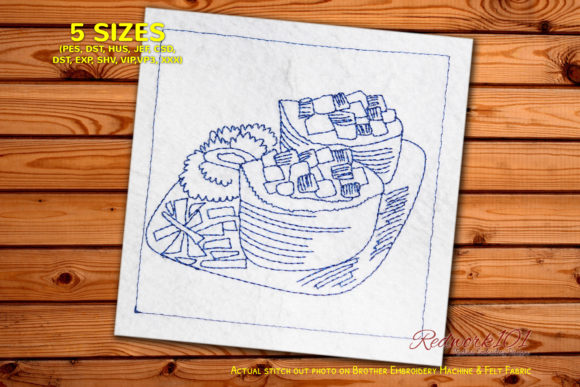
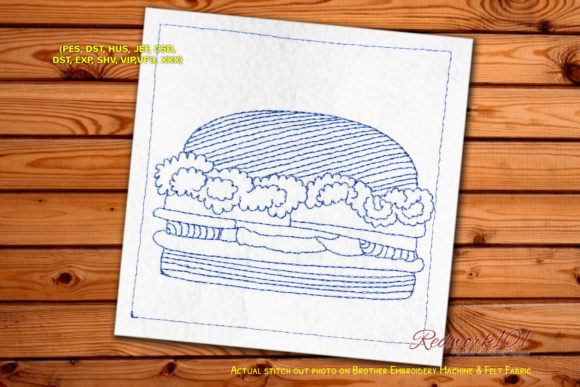
The Burger Whopper The Box Stitch shown in picture is optional detail in the product description tells me immediately that this design offers flexibility. The outer box is described as a different color in most designs unless it is part of the design itself, and you can skip that color directly in your embroidery software. That optional box stitch is a smart feature for anyone producing branded merchandise. You can use it as a border for an embroidered patch or leave it out for a cleaner, more open look on a cap or shirt. The Food category and Embroidery type confirm that this digital embroidery file is built for stitch-out, not just screen display.
Let me break down what this design actually delivers for small business owners, apparel decorators, handmade brands, and Etsy sellers who need reliable design assets.
First Impression: Playful, Handmade, and Immediately Recognizable
Opening the Burger Whopper Redwork Design, the first thing I notice is its balance between playful character and clean stitch structure. Redwork embroidery typically relies on simple red thread outlines on a light ground, and this design honors that tradition while staying modern enough for boutique merchandise. The burger motif is bold without being cartoonish, which means it can work for a bakery, a café, a creative studio, or even a pet brand that wants a playful food accent.
From a professional standpoint, the design reads as friendly and rustic with a handmade finish. That is exactly the kind of visual personality that small businesses want when they produce custom apparel for staff or create limited-run customer gifts. It does not feel corporate or cold. It feels like something you would find in a local shop that cares about craft. For an embroidered patch on an apron or a chest logo on a work shirt, that first impression matters. Customers associate that handmade quality with authenticity, and that builds brand identity over time.
Because the outer box stitch is optional, you can decide whether you want a structured patch look or a floating motif. If you are stitching this as a cap embroidery design, leaving off the box keeps the design compact and easier to center. If you are making embroidered patches for totes or product labels, adding the box gives you a finished edge that mimics a traditional badge.
Real Business Use: Where Burger Whoper Redwork Design Shines
I have tested this embroidery file across several common commercial scenarios. Here is where it performs best for small business merch and branded patch production.
Embroidered Patches for Staff Uniforms and Merch
The Burger Whopper Redwork Design is an excellent candidate for embroidered patches. The redwork style keeps stitch counts manageable, and the optional box gives you a natural border for patch production. Small businesses that need patches for aprons, caps, or tote bags will appreciate that this design does not require dense fill stitching. Redwork outlines stitch quickly and lie flat on fabric patches. If you are an Etsy seller creating digital files for patch makers, this design gives buyers a clean option that works at standard patch sizes like 3 inches or 4 inches.
For a bakery or café, an embroidered patch featuring this burger motif on a canvas apron immediately communicates what the business is about. It is friendly, food-forward, and easy to recognize from across a counter. Staff uniforms become walking advertisements when the design reads clearly at a distance.
Chest Logo and Sleeve Detail on Work Shirts
When used as a chest logo on a polo or work shirt, the Burger Whopper Redwork Design sits well because the redwork outlines are not overly heavy. The optional box stitch can frame the design like a small badge, which looks professional on a uniform without overwhelming the garment. I recommend testing the design at a 2.5 to 3 inch width for chest placement. At that size, the burger detail remains legible, and the red thread pops nicely against light-colored shirts.
For sleeve details, reduce the design to around 1.5 to 2 inches. The simple outlines handle scaling down better than dense fill designs would. Just be sure to check that the thinnest lines do not become too narrow for your machine to stitch cleanly.
Cap Embroidery and Curved Surfaces
Cap embroidery is always a challenge because the curved surface can distort dense designs. The Burger Whopper Redwork Design works well here because redwork relies on open lines rather than heavy stitch density. The optional box stitch may need slight curvature adjustment on a cap front, but the main burger motif sits nicely within a standard cap embroidery field. I suggest testing a sample on a practice cap before production to confirm centering and registration.
For small businesses producing custom hats for events or staff, this design is a solid choice. It stitches quickly, uses minimal thread colors, and leaves a clean impression on the finished product.
Tote Bags and Apron Embroidery
Tote bags and aprons are among the most popular items for small business merchandise. The Burger Whopper Redwork Design handles these applications well because the fabric texture of canvas or cotton twill works nicely with redwork outlines. The optional box stitch can serve as a border that defines the design area, especially on larger tote bags where you want the motif to feel centered and intentional.
For a florist, bakery, or handmade shop, this design printed on a tote bag with an embroidered patch or direct embroidery becomes a repeatable product that customers carry around. That is free brand exposure every time someone uses the bag.
Where to Use This Design Carefully
No machine embroidery design works perfectly in every scenario. Here are specific situations where the Burger Whopper Redwork Design requires extra attention.
Small Patch Sizes Below 2 Inches
If you try to stitch this design as a tiny patch under 2 inches wide, the burger details may lose clarity. Redwork outlines depend on enough space between lines so that the thread does not blur together. At very small sizes, the patty, lettuce, and bun layers may become difficult to read. I recommend keeping the design at 2 inches or larger for any application where legibility matters, such as a chest logo or embroidered patch for sale.
Cap Fronts and Strong Curvature
While the design handles cap embroidery better than dense fill designs, you still need to consider the optional box stitch on a strongly curved cap front. The box may pucker or distort if it is digitized with tight corners. If you skip the box, the main design floats more naturally on the curve. Test on a cap scrap first.
Dark Uniforms and Fabric Colors
Redwork traditionally uses red thread on white or cream fabric. If your small business uses dark uniforms, navy aprons, or black caps, the red thread may not contrast enough. You can easily change the thread color to white, gold, or a bright accent in your embroidery software, but be aware that the design was originally conceived for high contrast on light backgrounds. Always test thread color contrast on a sample of your actual fabric before full production.
High Stitch Density Areas and Detailed Outlines
The design description does not specify exact stitch count, so I recommend reviewing the file in your software before production. Redwork typically has lower stitch density, but if the optional box stitch includes dense satin columns, that could affect how the design lies on textured fabric or items that need frequent washing. If you see dense stitch areas, consider reducing density or switching to a lighter stabilizer.
Items That Need Frequent Washing
For aprons, work shirts, and tote bags that will be washed regularly, the redwork outlines should hold up well if you use quality thread and proper stabilizer. However, if the design has very fine details, those narrow lines may break down over time. I suggest a wash test on a sample before committing to a large run of custom apparel.
How Burger Whopper Redwork Design Affects Brand Identity
When you choose a digital embroidery file for your business, you are making a statement about your brand identity. The Burger Whopper Redwork Design communicates approachability, craftsmanship, and a love for food culture. For a small business, that translates into customer trust and recognition.
Customers who see a consistent, well-stitched embroidered patch on an apron or a tote bag perceive higher product value. The handmade presentation of redwork embroidery feels intentional, not mass-produced. That matters for boutique shops, bakeries, creative studios, and pet brands that want to stand out from generic merchandise.
For Etsy sellers and craft business owners, this design can become part of your design assets across multiple products. You can use it on embroidered patches, printable mockups, cap designs, and apron labels. Consistent use of the same motif builds visual consistency across your brand, which increases buyer engagement and repeat sales.
The optional box stitch itself is a branding tool. Use it to create a badge look for staff uniforms. Leave it off for a more relaxed, open feel on customer merchandise. That flexibility lets you adapt the same embroidery file to different brand contexts without buying a new design.
Practical Embroidery Designer Notes Before Production
Before you send the Burger Whopper Redwork Design to production, here are the steps I take as a professional designer to avoid costly mistakes.
Test it in black and white first. Open the file in your embroidery software and view it without thread colors. This lets you see the stitch structure clearly. Check that all outlines are closed and that no unintended gaps exist between the burger layers. A clean black-and-white view also helps you spot any overlapping stitches that could cause thread breaks.
Check if it works at small patch size. If you plan to sell or sew embroidered patches, resize the design to your intended patch dimension and check that the details remain readable. If the lettuce or cheese lines start to blur together at 2 inches, you may need to simplify the design or keep it larger.
Review thread color contrast. The description implies red thread on a light background, but your brand colors may differ. Test your chosen thread color against your actual fabric. A redwork design stitched in dark blue on a navy apron will disappear. High contrast is your friend.
Inspect spacing between elements. Look at the gap between the top bun and the patty, and between the patty and the bottom bun. If these gaps are too narrow, the design may look muddled when stitched. Adjust spacing in your software if needed, or note this as a limitation before production.
Confirm hoop size and file format. The product description does not list a specific hoop size or file format, so verify that your machine can accept the file. Standard formats like DST, PES, or EXP should work, but check compatibility before purchasing. If you need a different format, contact the designer or use a converter.
Test on real fabric. Always stitch a sample on your actual fabric. Fabric texture changes how redwork outlines sit. A loose weave canvas may cause the stitches to sink in, while a tight poplin may show them sharply. Adjust tension and stabilizer based on your test.
Use proper stabilizer. For redwork designs, a tear-away stabilizer is often sufficient on stable fabrics. If you are stitching on stretchy knit caps or thin tote bags, use a cut-away stabilizer to prevent distortion. The optional box stitch may add enough density to require firmer support.
Create a mockup for client approval. If you are producing custom apparel for a client, create a printable mockup showing the Burger Whopper Redwork Design on their actual garment color. This avoids surprises and builds trust. Mockups also help clients visualize how the design fits their brand identity.
Compare it beside other design assets. If your business already uses other logos or motifs, stitch this design next to them on a sample fabric. Ensure the weight, style, and feel of the redwork matches your existing design assets. Inconsistent embroidery styles across products can weaken visual consistency.
Confirm commercial licensing before business use. The product description does not specify licensing terms. Before stitching this design on merchandise for sale, confirm that your purchase includes commercial embroidery rights. Some digital embroidery file licenses limit use to personal projects. If commercial use is not clearly granted, contact the designer for clarification.
Final Thoughts for Small Business Owners
The Burger Whopper Redwork Design is a versatile, business-ready embroidery file that delivers a friendly, handmade look for a wide range of merchandise. Its optional box stitch gives you control over whether the design feels like a structured patch or a free-floating motif. For small businesses in the food, bakery, café, or creative space, this design builds brand identity through consistent, recognizable imagery.
Focus on testing at your intended size, choosing high-contrast thread colors, and using proper stabilizer for your fabric. When you take those steps, this redwork design becomes a reliable asset for embroidered patches, custom apparel, caps, aprons, tote bags, and product labels. It is the kind of food-themed embroidery design that works hard for small business merch without demanding excessive stitch time or complex setup.
Whether you are stitching one patch for a local boutique or producing a run of caps for a café team, the Burger Whopper Redwork Design is worth adding to your active design assets.