Flying Bird Holding Frame Applique Review
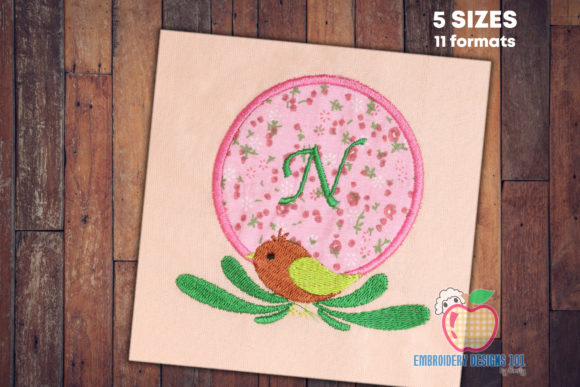
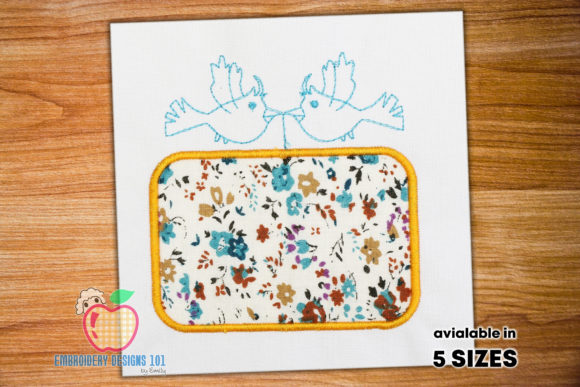
When I first opened the Flying Bird Holding Frame Applique machine embroidery design, I was struck by how much personality it packed into a single motif. The bird carries the frame almost like a signature, which gives the whole piece a deliberate, curated feel. This is not a generic bird silhouette. It has intent. The frame element adds structure, making it feel ready for a name, a monogram, a date, or even a small shop logo. For anyone building a craft business or designing personalized gifts, that built-in framing feature is a practical head start.
First Impressions and Design Personality
The mood of this applique design sits somewhere between whimsy and sophistication. The bird is clearly the focal point, but the frame turns it into something more like an emblem. It feels handmade but not sloppy. It has a folk-art charm that would look just as natural on a child’s birthday gift as on a boutique tote for a craft fair. The layout is balanced without being stiff, and the pose of the bird suggests motion, which keeps the eye moving.
This is the kind of machine embroidery design that works across seasons. It is not locked into a holiday theme, which matters if you are an Etsy seller or a small shop product maker who needs designs that sell year-round. The frame element gives it instant utility for personalization, and the bird keeps it warm. That combination is harder to find than you might think.
Real Use on a Custom Tote Bag
I tested the Flying Bird Holding Frame Applique on a sturdy cotton tote bag, medium weight, pre-washed. I wanted to see how the applique design handled a flat, stable surface that would get regular use. The embroidery file opened cleanly in my software, and the color changes were clearly separated, which made setup straightforward.
The fabric held the stitches well. I used a medium-weight cutaway stabilizer and a fresh needle. The satin stitch around the frame came out crisp, and the fill areas in the bird body had good coverage without feeling overly dense. The frame opening was large enough to fit a three-letter monogram or a small phrase, which is exactly what I wanted. On the finished tote, the design sat confidently. It did not pucker, and the thread contrast popped nicely against the natural cotton.
If you are making custom apparel or handmade product like this, the design communicates care. A customer receiving a tote with this motif would see it as a thoughtful gift, not a quick print. That is the difference between a commodity item and a personalized gift people keep for years.
Performance on Apparel and Home Goods
Beyond tote bags, this machine embroidery design performs well on sweatshirt embroidery and baby embroidery projects. The bird shape is not overly intricate, which means it lands cleanly on softer fabrics. On a French terry sweatshirt, the stitches sat nicely without distorting the knit. The frame element adds a little weight to the design, so I recommend a good quality stabilizer, especially on knits or loosely woven fabrics.
For embroidered patch projects, the applique design works beautifully because the frame creates a natural border. You can stitch it out on felt or twill, cut close to the satin stitch edge, and attach it to caps, aprons, or pillow cover projects. I also tested it on a linen tea towel, and the result had that handmade, artisan look that sells well at craft fairs.
If you produce holiday embroidery or wedding gifts, the frame can hold a couple’s initials or a short date. That adaptability makes it a strong asset for any craft business or small shop merchandise lineup.
Where to Use This Design Carefully
No design is perfect for every surface, and Flying Bird Holding Frame Applique has a few considerations worth noting. On small hoop sizes, the frame detail can become tight. If your hoop is under 4x4 inches, check the stitch density before committing. The bird’s wing area and the frame corners need enough room to express the satin and fill stitches cleanly.
On textured fabrics like thick fleece or boucle, the applique layers may shift. Use a firmer stabilizer or a layer of water-soluble topping to keep the stitches visible. Stretchy fabric like jersey knit can cause the frame to distort if not hooped with care. I recommend a no-show mesh stabilizer for knits and a tear-away for wovens.
Dark fabric backgrounds require thread color contrast. The bird reads best in lighter or mid-tone threads. If you stitch it on black or navy, choose a bright or metallic thread for the frame outline to keep the design legible. On layered garments like hoodie pockets or jacket backs, test the design on a scrap first to see how the weight of the stitches feels against the fabric.
Curved surfaces like caps or sleeves may require a different hooping approach. The frame element does not bend easily on a curve, so position it carefully or use a cap frame if your machine supports one. Dense stitch areas in the bird’s tail or wing may need a slightly larger hoop than expected, so verify your hoop size before starting.
Visual Appeal and Product Value
From a buyer’s perspective, this design communicates warmth and intention. The bird holding the frame is an unusual enough concept that it stands out in a sea of standard motifs. For etsy seller listings, the design photographs well, especially when stitched on a light or neutral background. The frame reads clearly even in printable mockup previews, which matters when you are listing design assets or finished products online.
The stitching clarity is strong. The satin stitch edges around the frame and the bird body are smooth enough that the design looks finished without needing extra outlining. That clarity translates directly to customer trust. When a buyer sees a clean, professional stitch-out, they feel confident in the quality of your work. Whether you are selling the digital embroidery file itself or a finished handmade product, that perception directly affects conversion.
For brand consistency, the frame element can become a signature look. If you offer monogrammed baby embroidery items or personalized gift sets, stitching this design in consistent thread colors across product categories creates a cohesive collection. That kind of recognition builds customer loyalty over time.
Practical Designer Notes Before You Stitch
Here are the steps I take before putting this design into production, and I recommend you do the same:
- Test the design on scrap fabric first. Use the same fabric weight and stabilizer you plan to use on the final product. This catches any tension or density issues.
- Check thread color contrast. The bird and frame need to stand apart from the background fabric. Light birds on light fabric lose definition. Dark birds on dark fabric disappear. Test a small sample to confirm readability.
- Review stitch density. If the design feels heavy in the fill areas, consider a lighter stabilizer or a larger hoop to give the fabric room to breathe.
- Confirm hoop size. The frame element may require more space than a simple bird silhouette. Measure your hoop against the design bounding box before you start.
- Inspect small details. The bird’s beak and tail area should read clearly at the size you plan to stitch. If they look crowded on screen, consider enlarging the design slightly.
- Test in black and white mockups. This helps you see the design’s structure without color distraction. If it works in monochrome, it will work in thread.
- Compare light and dark fabric backgrounds. The same design can look completely different on a white tote versus a navy sweatshirt. Adjust thread colors accordingly.
- Use proper stabilizer. Cutaway for knits, tear-away for wovens. If you are stitching on thin fabric or stretchy fabric, add a layer of water-soluble topping to keep the stitches crisp.
- Verify licensing. Before selling finished items or the digital embroidery file itself, confirm the license terms for commercial use. Some designs allow unlimited commercial embroidery products, while others restrict resale. Check before you list.
Following these steps ensures that your embroidery project looks professional the first time, not after three ripped-out stitch-outs.
Final Thoughts on the Design
The Flying Bird Holding Frame Applique earns a solid place in my active design library. It is versatile enough for custom apparel, embroidered patch projects, tote bag design, sweatshirt embroidery, and baby embroidery gifts. The frame element gives it utility for personalization, and the bird keeps it approachable.
For small business owners, etsy sellers, and creative entrepreneurs, this is the kind of machine embroidery design that supports both inventory production and made-to-order work. It stitches cleanly, photographs well, and appeals to customers looking for something handmade that still feels refined.
If you are building a craft business or expanding your design assets, this applique design belongs in your rotation. It is not a trend piece. It is a workhorse that will serve you across seasons, product categories, and customer preferences.