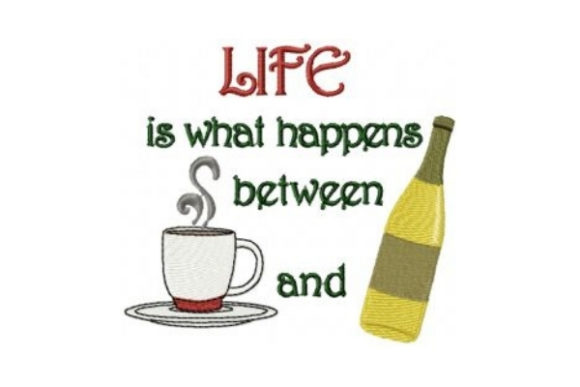
Life is What Happens Between Coffee and Wine
As someone who has tested hundreds of machine embroidery designs over the years, I have learned to spot a winner long before the needle drops. When I first opened Life is What Happens Between Coffee and Wine, I felt that familiar pull of anticipation. The phrase itself lands with a warm, wry familiarity that resonates with anyone juggling daily routines and small indulgences. This embroidery design does not try too hard. It feels like a conversation starter, a gentle nod to the reality most of us live in. That is a rare quality in commercial embroidery files, and it immediately told me this design could work beautifully across a wide range of projects.
A Design That Understands Its Audience
The first thing I noticed was the balance of the composition. The lettering sits comfortably without feeling crowded, and the overall shape suggests it was built with real hoop dimensions in mind. I could picture this machine embroidery design on a canvas tote bag, a well-worn sweatshirt, or even an apron hanging in a busy kitchen. The theme is universal enough to appeal to both personal crafters and small business owners looking for a reliable handmade product that sells itself. When I create custom apparel for clients, I need designs that connect emotionally without being overly niche. This one does exactly that. It feels lived in, honest, and easy to love.
I always start by examining a design's layout before I even load the embroidery file. The text is the star here, and the spacing between words allows the eye to move naturally. That matters more than most people realize. A cramped phrase can ruin an otherwise lovely piece of personalized gift work. In this case, the designer gave each word enough breathing room. The overall silhouette is compact enough for a chest placement on a t-shirt or a centered position on a tote bag design, yet substantial enough to hold its own on a larger item like a pillow cover or kitchen towel.
Real Use: Preparing a Custom Embroidered Sweatshirt
Last week, I decided to test Life is What Happens Between Coffee and Wine on a cream-colored hooded sweatshirt. I wanted to see how it handled both the fabric texture and the natural stretch of a mid-weight fleece. I hooped a piece of cutaway stabilizer, floated the sweatshirt on top, and secured it with temporary adhesive spray. This is my standard method for sweatshirt embroidery, and it rarely fails if the design is well-digitized.
The stitching started cleanly. I chose a dark burgundy thread to echo the wine theme, and the contrast against the cream fabric made the phrase pop without shouting. The satin stitch letters came out crisp, and there was no puckering around the curves. I paid close attention to the smaller lettering, especially the word "Between," because that is often where a design reveals its weaknesses. Here, every stroke held its shape. The fill stitch areas laid down smoothly, and the running stitch details did not distort even when the fabric shifted slightly under the hoop. After removing the stabilizer and giving the garment a gentle press, the finished product looked polished enough to sell in a boutique window.
I showed it to a friend who runs a small Etsy shop. She immediately asked how fast she could list it. That kind of reaction confirms what I suspected: this design has strong commercial potential for Etsy sellers and small shop product lines. Whether you are making one-off personalized gifts or building an inventory of handmade products for a craft fair, the design holds its own.
Performance Across Different Products
Over the following days, I tested the design on several other blanks. On a heavy-duty canvas apron, the stitches sat firmly on the surface with no sinking. The texture of the fabric actually enhanced the rustic feel of the phrase, making it ideal for a kitchen or barbecue gift. On a lightweight cotton t-shirt, I switched to a tear-away stabilizer and reduced the tension slightly. The result was a soft, wearable custom apparel piece that would work well for a casual holiday embroidery project or a birthday present.
I also tried it as an embroidered patch on twill fabric. After stitching, I trimmed the patch, applied a heat-seal backing, and pressed it onto a denim jacket. The design adapted beautifully to this format. The stitch density was consistent enough that the patch did not buckle, and the edges held a clean line. For anyone selling embroidery file based projects or finished digital embroidery file products, this kind of versatility is gold.
For baby embroidery projects, I would recommend scaling the design down slightly and testing it on a onesie or receiving blanket. The sentiment is not specifically geared toward infants, but the phrase works as a humorous gift for new parents who still appreciate coffee and look forward to wine. Just be mindful of the hoop size if you are working with small garments. The design fits comfortably in a medium hoop, but always confirm dimensions before cutting fabric.
Where to Use This Design Carefully
No design is perfect for every surface, and Life is What Happens Between Coffee and Wine has a few areas that deserve attention. On very stretchy fabrics like thin jersey or spandex blends, the lettering can distort if you do not use adequate stabilizer. I recommend a medium-weight cutaway for any knit fabric. On dark fabrics, you may need to adjust your thread colors to maintain contrast. A bright white or metallic gold thread would look striking against black or navy.
If you are planning commercial embroidery projects on caps, be cautious with the length of the phrase. Curved surfaces like the front of a baseball cap require a design that bows naturally, and this one is moderately long. Test it on a practice cap first. Similarly, on layered garments like jackets with multiple seams, make sure the design clears all zippers and pockets. The last thing you want is a broken needle midway through a batch order.
For products that will see frequent washing, such as aprons, tea towels, or baby blankets, I suggest using a high-quality polyester thread and a firm stabilizer that will not break down over time. The stitch density is reasonable, but any embroidery benefits from good laundering habits. Turn the item inside out, wash in cold water, and avoid fabric softener. This extends the life of the embroidery project and keeps the design looking fresh.
Visual Appeal and Product Value
There is a reason phrases like this one stay popular in the wine and lifestyle market. They speak to a shared experience with wit and warmth. When a customer sees Life is What Happens Between Coffee and Wine on a finished product, they do not just read the words. They feel a connection. That emotional resonance translates directly into buyer engagement and perceived value. A tote bag or sweatshirt with this design feels like a statement piece, not just another piece of applique design or text work.
From a branding perspective, if you run a craft business that focuses on gifts for adults, this design fits seamlessly into your catalog. It works for holiday embroidery projects, birthday gifts, hostess presents, and even wedding gifts for couples who appreciate a good inside joke. The design assets themselves are clean and professional, which means you can use them for printable mockup images in your online shop without worrying about poor stitching simulation.
I also appreciate that the design does not rely on heavy embellishment. It trusts the strength of the phrase and the precision of the digitizing. That restraint makes it easier to pair with other elements, like a simple coffee cup graphic or a small vine accent, if you want to create a themed collection. But standing alone, it is more than capable of carrying a product.
Practical Designer Notes Before You Stitch
Before you load the embroidery file and start your first project, I recommend a few steps. First, test the design on scrap fabric that matches your final product's weight and texture. Do not skip this, even if you are experienced. Every machine behaves a little differently with a new file. Check your thread colors against your fabric swatch under natural light. What looks good on a screen may read differently in person.
Review the stitch density in your software if possible. A balanced density prevents fabric distortion and keeps the design soft to the touch. If you plan to sell finished items, test the design in both light and dark fabric backgrounds to see how the contrast shifts. Also, run a black and white mockup to evaluate the overall shape and readability. This step helps you spot any awkward spacing or alignment issues before you commit thread to fabric.
If you are purchasing this as a digital embroidery file for commercial embroidery use, confirm the licensing terms before listing finished products or selling the design as part of a craft business asset pack. Some designers allow unlimited commercial use, while others require attribution or restrict certain channels. Always check. It protects your shop and your reputation.
For Etsy sellers and small shop product creators, I suggest stitching a sample and photographing it for your listings. Real photos of an embroidered item perform far better than stock imagery or printable mockup files alone. Customers want to see how the design puckers, how it catches the light, and how it looks on a real garment. That transparency builds customer trust and leads to more sales.
Final Thoughts From the Hoop
Life is What Happens Between Coffee and Wine is a well-crafted machine embroidery design that earns its place in any serious embroiderer's library. It combines a relatable sentiment with clean digitizing and strong real-world performance. Whether you are stitching a one-off personalized gift for a friend or building an inventory of handmade products for a small shop, this design delivers professional results without fuss.
I have added it to my own active rotation, and I expect it will stay there for a long time. The test tote bag I made has already been claimed by a neighbor, and the sweatshirt sample is being photographed for my own Etsy listings this weekend. That is the kind of impact a good design should have. It makes you want to stitch it again immediately.
If you are on the fence, I say go ahead. Test it, trust it, and let it work for your business.