Choza African Redwork Seasonal Review
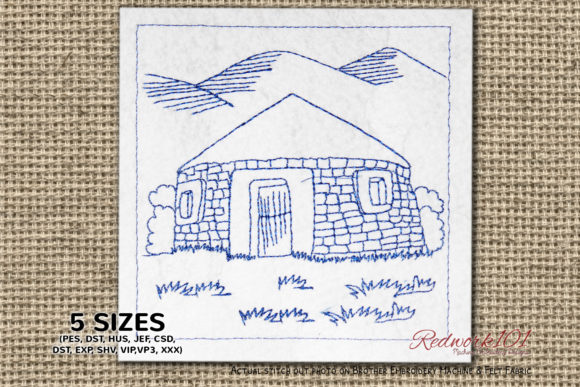
When I first opened the Choza African Redwork embroidery file, I immediately recognized its potential for holiday and seasonal product lines. As someone who has tested hundreds of machine embroidery designs for small shop product development, I look for designs that carry emotional weight, technical reliability, and visual versatility. Choza African Redwork delivers a warm, story-rich aesthetic that feels both heritage-inspired and refreshingly current. The redwork technique, with its deep earthy tones and line-driven detail, evokes a sense of handcrafted permanence. It is not flashy or overly ornate. It feels grounded, intentional, and deeply human. That emotional tone makes it ideal for seasonal products where buyers seek meaning, not just decoration.
First Impressions and Seasonal Mood
The seasonal mood of Choza African Redwork leans into a warm, nostalgic, and slightly rustic elegance. It does not scream Christmas or Easter in an obvious way. Instead, it carries a timeless quality that works across multiple holiday moments. The redwork style naturally pairs with cozy winter themes, harvest celebrations, family gatherings, and even gift-giving seasons like Valentine's Day or Mother's Day. The decorative style is not overly cute or cartoonish. It has a hand-drawn, almost folk-art feel that reads as premium and thoughtful. The level of detail is moderate, with clean outlines and open areas that stitch out beautifully without excessive thread changes. This design feels premium without being fussy. It suggests a story of cultural richness and handmade care, which resonates strongly with buyers looking for personalized gifts with depth.
Performance in Real Holiday Selling Situations
In my experience building seasonal collections for Etsy and craft fairs, Choza African Redwork performs exceptionally well across several product categories. Here is how it fits into real selling scenarios.
- Gift bundles: The design stitches quickly and cleanly on kitchen towels, making it a natural addition to hostess gift sets or holiday kitchen bundles. Pair it with a matching apron or potholder for a cohesive look.
- Etsy listings: The redwork style photographs beautifully in natural light. It shows up well in product mockups and thumbnail images, which matters for click-through rates during holiday shopping periods.
- Craft fair displays: The design works on tote bags and pillow covers, two items that draw attention at in-person events. The earthy red tones stand out against neutral table linens and natural wood displays.
- Limited edition apparel: On sweatshirts, Choza African Redwork feels like a wearable art piece. It is substantial enough to carry a garment but not so heavy that it overwhelms the fabric. This makes it ideal for family matching sets, holiday pajama gifts, or cozy winter layering pieces.
- Home decor: The design translates well onto pillow covers, table runners, and wall hangings. Buyers looking for holiday home decor that is not overtly seasonal will appreciate its versatility.
- Personalized gifts: Because the design has strong visual recognition, adding a name or monogram in a complementary thread color elevates the piece into a truly personalized gift with perceived value.
- Social media previews: The high contrast and clear lines of Choza African Redwork make it easy to photograph and share. It works well in flat lay compositions, styled product shots, and video stitching demos.
- Printable mockups: The design's clean silhouette allows for easy placement in mockup templates. You can create professional promotional graphics without reshooting physical samples.
Where to Use Choza African Redwork Carefully
No design is perfect for every surface. I have tested Choza African Redwork across multiple substrates and found a few areas where caution is wise.
Small Hoop Sizes and Tiny Details
The design contains open line work that requires adequate space to read clearly. In small hoop sizes, such as 4x4 or smaller, the details may become compressed and lose their charm. If you plan to stitch this onto ornaments or baby items, check the stitch density and minimum recommended hoop size before committing to production.
Tiny Lettering or Fine Text
Choza African Redwork does not include dense lettering, but if you add custom text, avoid extremely small font sizes. The redwork style benefits from breathing room. Cramped lettering can look muddled, especially on textured fabric like kitchen towels or thick sweatshirt fleece.
Thick Towels and Heavy Fabrics
Terry cloth towels and thick sweatshirts require careful stabilizer choices. The design's stitch count is moderate, but dense areas may sink into deep pile fabrics. Use a heavy cutaway stabilizer and consider a water-soluble topping to keep stitches visible and crisp. Test a sample before offering finished products for sale.
Dark Fabric Considerations
Because Choza African Redwork uses deep red tones as its primary color, stitching on dark fabric can reduce contrast and visibility. If you choose a dark base, consider using a lighter thread color for the redwork elements or adding a satin stitch border to frame the design. Test thread colors on both light and dark fabric to confirm readability.
Metallic Thread and Specialty Threads
The design's open structure can accommodate metallic thread, but I recommend testing carefully. Metallic threads tend to fray and break at higher stitch densities. The redwork style typically uses single-needle runs, which are less forgiving with metallic thread than filled areas. Stick with standard rayon or polyester thread for consistent results across bulk orders.
Stretchy Garments and Curved Caps
Athletic wear and caps present stabilization challenges. The design's flowing lines may distort on stretchy fabrics if not properly hooped. Use a fusible stabilizer for knits and a firm backing for caps. Always test on the actual garment type before listing finished products.
Items Needing Repeated Washing
Kitchen towels, baby bibs, and aprons go through heavy wash cycles. The open line work of Choza African Redwork is generally stable, but loose stitches may snag over time. Use a tight stitch density check and secure thread ends thoroughly. For high-use items, consider adding a lightweight backing or coating the back of the embroidery with a fabric sealant.
Effect on Seasonal Appeal and Buyer Emotion
Choza African Redwork influences seasonal product appeal in several measurable ways. The design's warm red tones evoke feelings of comfort, hearth, and tradition. This emotional register aligns well with holiday shopping periods when buyers are drawn to gifts that feel personal and enduring. The African-inspired motifs carry a sense of cultural appreciation and global connection, which appeals to shoppers seeking unique, story-driven products. The redwork technique itself suggests handcrafted quality, which builds trust and perceived value. When customers see this design on a pillow cover or tote bag, they do not see a generic machine embroidery file. They see a thoughtful piece of art. That perception translates into higher willingness to pay, stronger social media engagement, and repeat purchases. From a brand consistency perspective, Choza African Redwork works well for shops that position themselves as artisan, cultural, or eco-friendly. It also pairs nicely with other redwork designs or neutral-toned embroidery files for collection building.
Practical Embroidery Designer Notes
Before adding Choza African Redwork to your seasonal product lineup, here are the practical checks I perform on every new design file.
- Test thread colors on both light and dark fabric. The red tones can shift appearance depending on the base color. Stitch a sample on white, cream, light gray, and navy to confirm contrast.
- Check stitch density. The design should have balanced density that avoids puckering on medium-weight fabrics. If density is too high, consider reducing stitch count or using a lighter stabilizer.
- Confirm hoop size. Verify the minimum hoop size required for clean stitching. Do not assume it fits a 4x4 hoop without checking. Mark the recommended hoop size clearly in your product listings.
- Use proper stabilizer. For Choza African Redwork, a medium-weight cutaway stabilizer works well for most garments. For towels and fleece, use a heavy cutaway with a water-soluble topping.
- Create realistic mockups. Photograph actual stitched samples in natural light. Avoid relying only on digital mockups. Buyers respond better to real texture and fabric drape.
- Review small details after stitching. Examine the design under magnification for loose threads, uneven tension, or skipped stitches. Correct issues before producing inventory.
- Plan matching color palettes. The redwork style pairs naturally with cream, tan, rust, olive, mustard, and indigo. Build a seasonal color story around these tones for visual consistency across your shop.
- Confirm commercial licensing. Before selling finished seasonal products featuring Choza African Redwork, review the license terms carefully. Understand usage limits for physical goods, digital sales, and promotional materials. If terms are unclear, contact the designer directly.
Final Recommendations for Seasonal Collections
I would confidently add Choza African Redwork to a holiday product collection. It performs well on sweatshirts, tote bags, kitchen towels, pillow covers, and table linens. It suits craft fairs, Etsy shops, and limited edition product drops. The design feels premium without being intimidating to stitch, and it carries emotional weight that resonates with gift shoppers. For small shop owners and handmade gift makers, this embroidery file offers a reliable, beautiful foundation for seasonal creativity. Just remember to test, stabilize, and license properly. With those steps in place, Choza African Redwork can become a staple in your year-round and holiday product lineup.