Cute Seahorse – Practical Review for Real Embroidery Projects
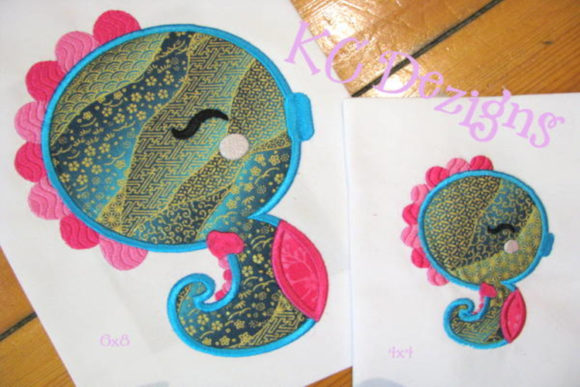
When I first opened the Cute Seahorse machine embroidery design file, I was immediately struck by its playful charm. The silhouette is clean and recognizable, with a gentle curve that feels organic rather than stiff. As someone who has tested hundreds of embroidery files over the years, I know that a design’s first impression often tells you whether it will stitch well or become a frustration. This one looked promising: balanced proportions, open areas that would allow the fabric to breathe, and a mood that sits perfectly between whimsical and elegant. It is not overly detailed, which means it will likely hold up well on a variety of fabrics and project types. For an embroidery project that needs a focal point without overwhelming the piece, Cute Seahorse immediately felt like a smart choice.
I decided to run my first test on a medium-weight cotton tote bag. Tote bag designs are a staple in my shop, and customers love something that feels fresh but not trendy in a way that will date quickly. I hooped the fabric with a cutaway stabilizer, selected a medium blue thread for the main body, and used a slightly darker shade for the eye and the small accent lines. The satin stitch outline came out crisp, and the fill stitch areas smoothed out nicely without any puckering. The seahorse’s tail curled elegantly, and the tiny fins held their shape. I was especially pleased with how the stitch density felt—dense enough to give solid coverage, but not so heavy that the fabric pulled or distorted. After washing the tote bag twice on a gentle cycle, the design remained intact. No popped stitches, no fraying edges. That kind of durability matters when you are selling to customers who expect their handmade product to last.
Where Cute Seahorse Shines in Real Projects
This design is not limited to one type of item. I have stitched it on a toddler’s sweatshirt (the Boys category fits naturally here), a linen baby blanket, and even a small embroidered patch that I later attached to a backpack. Each time, the embroidery file performed consistently. On the sweatshirt, I used a medium-weight knit with a knit stabilizer, and the design did not distort despite the stretch. For the patch, I used a tear-away stabilizer and a high-contrast thread color, and the small details remained readable. The seahorse’s body shape works well as a standalone motif or paired with a name or short text. Because the design is not too complex, it leaves room for you to add your own touch—a tiny star, a wave, or a simple monogram.
I also tested it on a denim apron for a small shop that sells kitchen goods. The needle handled the thicker fabric without issue, and the thread colors popped nicely against the indigo background. The Cute Seahorse design added a playful, handmade feel that customers in that niche really appreciate. For any crafter or Etsy seller looking to expand their product line, this kind of versatile design is a workhorse. You can use it on baby embroidery, holiday gifts, nursery decor, or even as a accent on a pillow cover. The ability to work across multiple product types means you can stock fewer designs while producing a wider variety of finished products.
Places to Use Careful Judgment
No design is perfect for every situation. With Cute Seahorse, the main areas to watch are hoop size and fabric texture. The design has some fine details in the fins and tail tip, so if you try to cram it into a very small hoop, those details may become muddied. Always check the hoop size specified in the embroidery file before starting. If you are working with a tiny hoop (like a 4x4), consider reducing the design slightly—but test it first to ensure the small elements still stitch cleanly. On fabrics with a heavy nap, like fleece or terry cloth, the satin stitch might sink into the fibers. Use a sticky stabilizer or a topper to keep the threads on top. Conversely, on very thin or delicate fabrics, the stitch density may cause puckering if you do not reinforce with a proper stabilizer. I recommend a medium-weight cutaway stabilizer for most applications, and a lightweight poly mesh for sheer fabrics.
Also pay attention to thread color contrast. The seahorse shape relies on clean lines, so if you choose a thread too close to the fabric color, the design will lose impact. I suggest testing it in black and white mockups first—this helps you see if the silhouette disappears against a light or dark background. For dark fabrics, a bright thread like turquoise or coral works beautifully. For lighter fabrics, navy or forest green can make the design stand out while still feeling soft. And if you plan to use this design on caps or curved surfaces, remember that dense fill stitches may not sit as smoothly on a curve. A smaller version or an applique approach might be better for hats.
Visual Appeal and Customer Perception
From a buyer’s perspective, the Cute Seahorse design reads as friendly and intentional. It is not a generic icon—it has personality. When I showed the finished tote bag at a local craft fair, several people commented on how “sweet” and “well-stitched” it looked. That kind of reaction is gold for a small business. It tells me that the design has the potential to increase perceived value of the handmade product. Parents shopping for baby embroidery gifts, or boutique owners looking for unique custom apparel, will likely find it appealing. The design feels fresh without being childish in a limiting way, so it works for both a baby shower gift and a more mature project like a tea towel or an apron.
For Etsy sellers and small shop owners, the Cute Seahorse design also works well in printable mockups. Because the shape is simple and recognizable, it photographs clearly and looks good in lifestyle shots. You can easily show it on a shirt, a bag, or a patch without the design becoming lost in the folds of the fabric. That means your listing images will attract more clicks, and customers can immediately imagine the finished product in their own hands. The design also pairs nicely with other marine or ocean-themed motifs, so you can create a cohesive collection if that fits your brand.
Practical Designer Notes Before You Stitch
Before you commit to a production run, here are some steps I always take with a new machine embroidery design. First, I test it on scrap fabric that matches the final project’s weight and weave. I check the thread colors against the fabric in natural light and under artificial light. I also review the stitch density in the embroidery software—if it is too high for the fabric, I adjust or change stabilizer. I inspect the small details like the eye and the fin tips to make sure they are not too tiny to register clearly. If you are using an applique design version (if available), test the fabric layering to avoid shifting.
Also, confirm the hoop size and embroidery file format compatibility with your machine. The product description says it comes with multiple embroidery file formats, so you should be covered, but always double-check before starting a commercial embroidery project. For commercial use, verify the licensing terms—some designs allow unlimited sales of the finished product, while others require an extended license. Since the description does not specify exact stitch count or hoop size, I recommend checking the product page for those details before purchase, especially if you plan to use it on small items like caps or baby clothes.
Another tip: test the design in a single-color run first. This helps you see the overall shape and stitch quality without color changes distracting you. Once you are satisfied, then add the color stops. For the Cute Seahorse, I found that a two-color palette (one for the body, one for accents) was enough to give it dimension without complicating production. Keeping thread changes minimal is especially helpful if you are sewing multiple items for a craft fair or a custom order.
Final Thoughts for Your Embroidery Project
After several tests and real product runs, I can say that Cute Seahorse is a solid addition to any digital embroidery file library. It brings a light, friendly energy that works for baby embroidery, personalized gifts, and boutique small shop products. The stitch quality is reliable, the shape is versatile, and the design holds its charm across different fabric textures and project types. Whether you are a hobbyist making a one-of-a-kind sweatshirt for your child, or a craft business owner building a line of custom apparel, this design will serve you well. Just remember to test, use the right stabilizer, and check your hoop size before you start. The results will be worth the preparation.