Happy New Year 2020 Circle Redwork Design Review
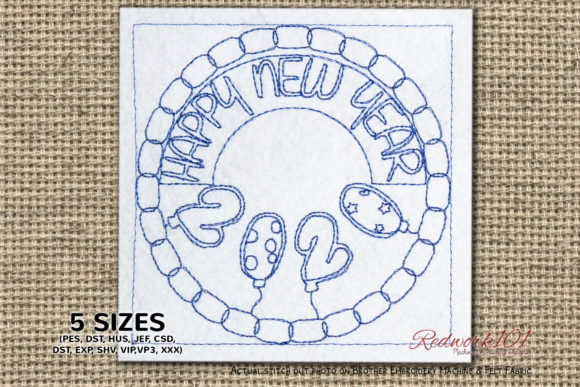
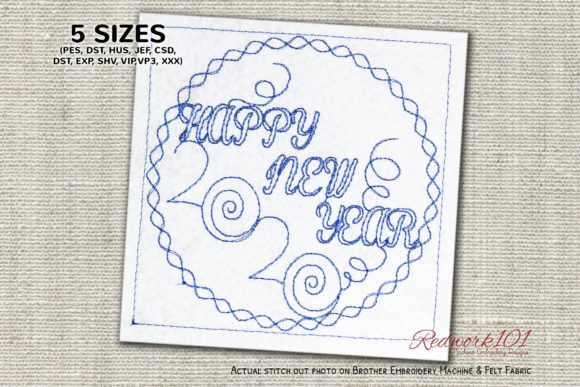
When I first opened the Happy New Year 2020 Circle Redwork embroidery file, I saw a design that immediately felt like a conversation starter for small business merchandise. The circular layout, the box stitch frame, and the clean lettering all work together to create a piece that is both celebratory and professional. As someone who has reviewed hundreds of machine embroidery designs for branded patches, custom apparel, and small business merch, I can tell you this design has real commercial potential — but only if you place it with intention. Let me walk through what this design offers, where it shines, and where you need to exercise caution before stitching it onto your finished product.
First Impression: Professional, Warm, and Decorative
The Happy New Year 2020 Circle Redwork gives a first impression that leans friendly and classic rather than overly modern or bold. The redwork style — typically single-color or two-color stitching — feels handmade and approachable, which is a strong asset for local businesses, creative studios, and handmade brands. The outer box stitch is optional, and the description notes that the outer box color is often different unless it is part of the design itself. This tells me the designer built in flexibility: you can stitch the full frame for a polished, structured look, or skip the outer box for a softer, more minimal finish.
For a small café, boutique, or bakery, this design could serve as a seasonal accent on aprons, tote bags, or cap fronts. It does not scream corporate — it whispers celebration. That tone matters when you are building customer trust through handmade presentation and visual consistency.
Real Business Use: Patches, Uniforms, Caps, Totes, and More
From a commercial embroidery standpoint, the Happy New Year 2020 Circle Redwork can be applied across several product categories. Here is how I see it performing in real business scenarios:
- Embroidered patches: The circular shape and box stitch frame make it an ideal candidate for patch production. Whether you sew it onto aprons, work shirts, or gift items, the design holds its shape well. Test it at a size of 3 to 4 inches in diameter for the best visual impact.
- Apron embroidery: Small bakeries, florists, and coffee shops can use this as a chest or lower apron accent. The redwork style feels natural on canvas or twill aprons, adding a handmade touch that customers notice.
- Cap embroidery: Curved surfaces can be tricky. The circular layout works well on structured caps, but you must keep the design under 2.5 inches wide to avoid distortion. The optional outer box stitch may need to be omitted on small cap fronts.
- Tote bag design: Tote bags are a staple for small business merch. The Happy New Year 2020 Circle Redwork sits beautifully centered or offset on a tote. Use a medium hoop size and a tear-away stabilizer for best results on cotton or canvas totes.
- Customer gifts and event merch: For any small business running a New Year promotion or celebrating a milestone, this design works well on gift tags, small pouches, or product packaging accents. It adds perceived value without adding excessive production time.
- Branded product labels: If you sell handmade soaps, candles, or packaged goods, a small embroidered patch featuring this design can become a signature detail that sets your brand apart.
One real scenario I often recommend to my clients: imagine a local florist who wants to offer limited-edition tote bags for the holiday season. Stitching the Happy New Year 2020 Circle Redwork in a bright thread color on natural linen creates a gift-worthy item that reinforces brand personality without overwhelming the product.
Where to Use This Design Carefully
Every embroidery file has its limits, and the Happy New Year 2020 Circle Redwork is no exception. Here are the areas where I would advise caution before committing to production:
- Small patch sizes: If you shrink this design below 2.5 inches, the lettering in "Happy New Year 2020" may become too dense or lose clarity. Always test the file at your intended size on a scrap fabric before stitching the finished product.
- Cap fronts and curved surfaces: The circular frame can distort on curved hat fronts if the hoop is not positioned correctly. Use a curved cap hoop and reduce the design size if necessary. Skipping the outer box stitch can also reduce distortion.
- Tiny lettering: The 2020 lettering and the surrounding text must be reviewed for readability at small scale. If the design uses thin strokes, those areas may not stitch cleanly on textured fabrics like fleece or heavy canvas.
- High stitch density: The box stitch option may add significant density depending on how it is digitized. If the outer box is included and stitched tightly, it can cause puckering on lightweight fabrics. Use a medium-weight cut-away stabilizer and test hoop tension beforehand.
- Dark uniforms or fabric: Redwork traditionally relies on red thread, but if you change the thread color to something lighter on dark fabric, check that the stitching provides enough contrast. The design may need a subtle outline or underlay to pop against black or navy backgrounds.
- Items that need frequent washing: For aprons, work shirts, or tote bags that will be washed often, use a high-quality polyester thread and a stabilizer that can withstand repeated laundering. The box stitch area may be prone to shrinkage if not tested.
How This Design Affects Brand Identity and Customer Trust
In my experience, a well-chosen machine embroidery design does more than decorate — it builds brand identity. The Happy New Year 2020 Circle Redwork communicates celebration, warmth, and attention to detail. When a small business adds this to their custom apparel or product packaging, it signals that they care about the finished product. Customers notice that level of care.
For a creative studio or handmade brand, the redwork style aligns with handmade presentation values. It does not look mass-produced. That handmade feeling builds trust and makes the buyer feel they are getting something special. For an Etsy seller or craft business, this design works well as a limited-edition asset that can be offered as a patch, an apron accent, or a product label. The visual consistency across your merchandise helps customers recognize your brand at a glance.
That said, the design is definitely seasonal. If your business identity leans heavily on classic, timeless elements, you may want to use this only for New Year promotions or anniversary events. Using it year-round could confuse your brand timeline. I always tell my clients to think of Happy New Year 2020 Circle Redwork as a seasonal tool rather than a permanent logo element.
Practical Embroidery Designer Notes
Before you take this design to production, here are the notes I share with every small business owner who asks about files like this:
- Test it in black and white first: Run a monochrome stitch test to check the spacing, stitch density, and overall shape. It is easier to see registration issues and puckering without color distraction.
- Check thread color contrast: Since the outer box color may differ from the rest of the design, choose thread colors that provide clear separation. A dark frame with a lighter center text reads well from a distance.
- Inspect the spacing: The "Happy New Year 2020" text should be evenly spaced around the circle. If the letters crowd together on one side, you may need to adjust the size or rotation in your embroidery software.
- Confirm your hoop size: The Happy New Year 2020 Circle Redwork may require a hoop larger than 4x4 inches if you stitch the full box frame. Check the file dimensions and plan accordingly. If you only have a smaller hoop, consider omitting the outer box.
- Test on real fabric: Do not settle for a paper test. Stitch the design on the actual fabric you will use for your merchandise. Different fabric textures — cotton twill, denim, canvas, polyester — all react differently to stitch density and thread tension.
- Use proper stabilizer: For most applications, a medium-weight cut-away stabilizer is my go-to. If you are stitching patches, a tear-away works fine, but for garments that endure wear and washing, cut-away is safer.
- Create a mockup for client approval: If you are producing this for a client or as part of a branded line, always create a printable mockup showing where the design will sit. A mockup prevents misunderstandings and saves thread.
- Compare it beside other design assets: If your business already uses existing embroidery files or logo elements, stitch them side by side to see if the Happy New Year 2020 Circle Redwork fits visually. Consistency across your design assets is key to professional brand identity.
- Confirm commercial licensing: Before you stitch this for sale, verify the commercial license terms of the digital embroidery file. Not all machine embroidery designs allow commercial use. When in doubt, contact the file creator.
- Check the box stitch option carefully: The description says the box stitch is optional and that the outer box is a different color in most designs unless it is part of the design itself. In practice, this means you can decide to stitch it or skip it based on your fabric, size, and aesthetic preference. I strongly recommend testing both versions before making a final decision.
Final Thoughts on Happy New Year 2020 Circle Redwork
The Happy New Year 2020 Circle Redwork is a versatile, friendly design that fits naturally into small business merchandise, especially for seasonal promotions, handmade goods, and boutique apparel. It works well as an embroidered patch, a tote bag mark, an apron detail, or a cap accent — but only when you respect its limits. Test the size, check the thread contrast, use the right stabilizer, and always verify commercial licensing before you stitch.
For embroidery shops and apparel decorators, this design offers a clean, professional look that customers will appreciate as part of a branded product line. For Etsy sellers and handmade brands, it brings a decorative, celebratory feel that aligns with handmade presentation. Treat it as a seasonal asset, not a permanent logo, and it will serve your business well. As always, test everything on real fabric before committing to production. That is the only way to ensure your finished product is something you can sell with pride.