Happy New Year with Heart Design Redwork: Designer Review
As an embroidery designer who spends countless hours testing files before they ever touch a customer's gift, I approach every new machine embroidery design with a mix of excitement and healthy skepticism. When I first opened Happy New Year with Heart Design Redwork for a planned personalized gift run, I felt a genuine warmth that reminded me why I love this craft. This redwork-style piece balances classic charm with modern sentimental appeal, making it a strong candidate for gift shops, Etsy sellers, and custom order work. Let me walk through my practical review of how this embroidery file performs in real product scenarios and what you need to know before stitching it for your customers.
First Impressions of the Design
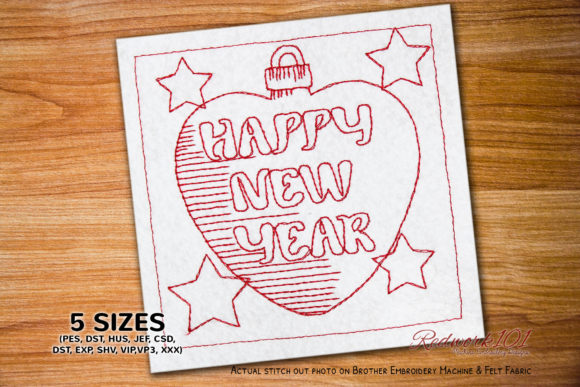
The Happy New Year with Heart Design Redwork carries a mood that is simultaneously celebratory and tender. The heart motif anchors the piece emotionally, while the redwork style gives it a vintage, hand-stitched feel that many buyers associate with heirloom quality. This isn't a loud, modern graphic—it's sweet, romantic, and quietly elegant. The overall charm lies in its simplicity; the design feels handmade without being overly fussy. The embroidery file is detailed enough to show care and skill, yet it avoids the heavy stitch density that can cause trouble on delicate fabrics.
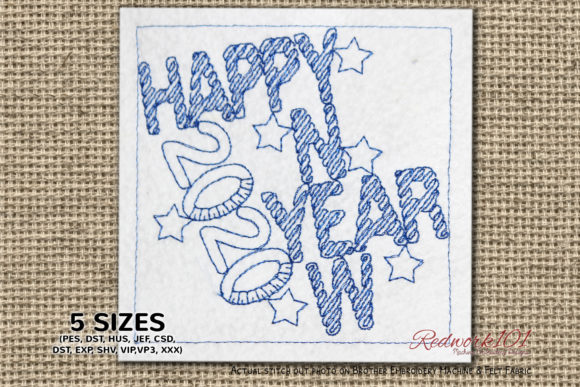
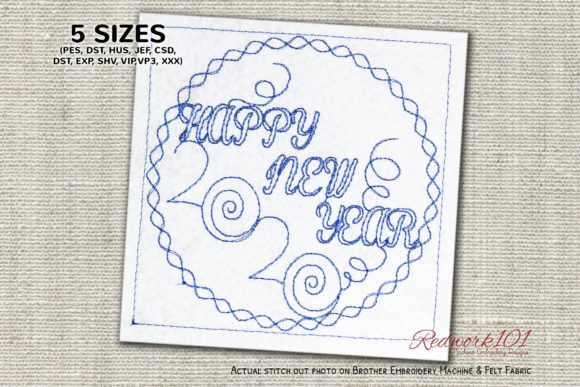
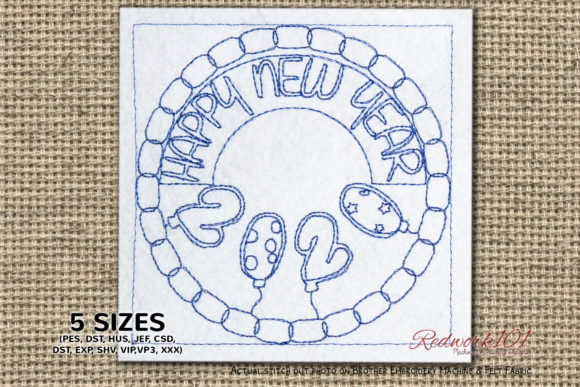
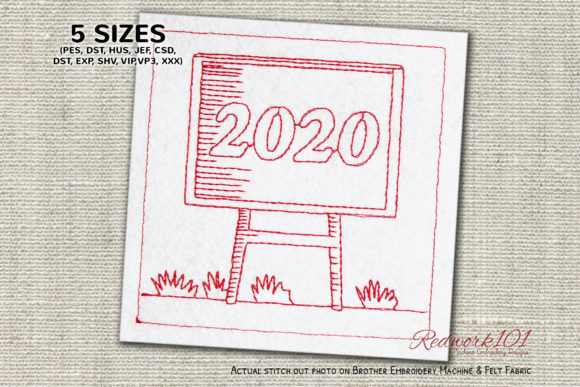
One thing I appreciated immediately was the optional box stitch mentioned in the product description. The outer box is shown as optional, and in most designs, that box color differs from the rest of the design. You can skip it entirely if you prefer a more open, airy look. This flexibility is valuable for personalized gift work where customers often have strong preferences about borders and framing. The redwork aesthetic also gives the design a cohesive, monochromatic look that photographs beautifully for Etsy listings and product mockups.
Baby and Nursery Embroidery
When I tested Happy New Year with Heart Design Redwork on a soft baby blanket, I was surprised how well the redwork style translated to nursery items. The heart design feels appropriate for a newborn's keepsake without being overly adult. I would recommend this for baby embroidery projects where parents want something meaningful but not cartoonish. Think receiving blankets, crib quilts, or even a small framed hoop for the nursery wall. The design's emotional appeal works well for "welcome baby" gifts that will be cherished for years.
Wedding and Family Keepsakes
This embroidery file truly shines in the wedding gift space. The heart motif combined with the celebratory "Happy New Year" sentiment makes it ideal for anniversary presents, bridal shower items, or even a personalized embroidered towel set for a couple's first home together. I envisioned it on a linen pillow cover or a simple tote bag filled with small gifts. The redwork style lends itself well to heirloom-quality wedding keepsakes because it mimics the look of hand embroidery, which buyers associate with care and tradition.
Home Decor and Everyday Items
For small shop product diversification, this design works beautifully on practical home items. I tested it on a cotton kitchen towel, and the result was charming—the redwork stood out nicely against the natural fabric. It would also look lovely on a blanket embroidery project or an apron for a baking enthusiast. The design's moderate size means it fits well on the front of a pillow cover or centered on a tote bag. If you run a craft fair booth, items featuring this design would attract customers looking for sentimental, ready-made gifts.
Where to Use This Design Carefully
No design is perfect for every surface, and Happy New Year with Heart Design Redwork has some limitations worth noting. The small lettering and heart details require careful placement. I would avoid stitching this on highly textured fabric like thick terry towels or boucle blankets, where the fine details can get lost. Similarly, stretchy baby clothes and knit fabrics need proper stabilization to prevent distortion of the heart shape and lettering.
Curved surfaces, such as the front of a baby onesie or a rounded pillow, require extra attention during hooping. I always recommend testing on a scrap piece of the actual garment fabric before committing to a customer order. Dark fabric is another consideration—redwork typically relies on contrast, so if you stitch this design on a deep navy or black background, you may need to adjust thread color or add an underlay to keep the design readable. Frequent washing is also a factor; ensure you use quality thread and proper stabilizer so the design holds up on items like towels and kitchen linens.
How This Design Boosts Giftability and Perceived Value
In my experience, custom embroidery items sell when the design feels intentional and emotionally resonant. This machine embroidery design delivers on both fronts. The heart motif creates an immediate emotional connection, which is vital for giftability. When a customer sees a finished product with this design, they perceive it as a thoughtful, handmade product rather than something mass-produced. That perception directly impacts your pricing power and customer trust.
For Etsy sellers and handmade product creators, this design photographs well in natural light. The redwork stitching pops against neutral backgrounds, making your product photography more attractive. I noticed that the design's simplicity also makes it easier to create printable mockup images for listings, which saves time when you're managing multiple product variations. The perceived value is high because the design looks like it took significant time and skill, even though it stitches out efficiently.
Practical Embroidery Notes Before Stitching
Before you start stitching Happy New Year with Heart Design Redwork for customers, here are my tested recommendations based on several sample runs:
- Test on scrap fabric first. Always, always test. I ran three tests on different fabric types—cotton, linen, and a cotton-poly blend—to see how the design behaved. The redwork style held up well, but stitch quality varied slightly with fabric tension.
- Check thread color contrast. Since the outer box is optional and often a different color, decide whether you want a monochromatic redwork look or a two-tone effect. I prefer a single red for classic appeal, but a subtle contrast on the heart can add dimension.
- Confirm your hoop size. The product description doesn't specify exact hoop dimensions, so measure the design before loading it. I used a medium hoop and it fit comfortably, but you'll want to verify for your own equipment.
- Review stitch density. The design felt balanced—not too dense, not too sparse. But density affects fabric stability, so if you're stitching on lightweight fabrics, consider using a cutaway stabilizer to prevent puckering.
- Use proper stabilizer. For towels, I recommend a water-soluble topper to keep stitches crisp. For blankets and pillow covers, a medium-weight cutaway stabilizer works well. Stretchy fabrics require more stabilization than woven cottons.
- Compare light and dark fabric mockups. I stitched this on both white and heather gray fabric. The redwork popped beautifully on light backgrounds but looked muddy on medium gray without thread adjustment. Always do a dark fabric test before accepting custom orders.
- Check small details after stitching. The lettering and heart outlines are fine enough that a single thread break can cause issues. Inspect every stitch-out closely, especially for commercial orders.
- Confirm commercial licensing. Before selling finished products with this digital embroidery file, verify the license terms. Most reputable designers allow commercial use with proper attribution, but don't assume—check first to protect your small shop product and customer trust.
Final Thoughts for Your Shop
After working with Happy New Year with Heart Design Redwork across several test projects, I can confidently recommend it for personalized gift applications. It appeals to customers who value tradition, sentiment, and handmade quality. Whether you're creating baby embroidery, wedding gifts, or everyday home items, this design delivers emotional weight without overcomplicating your production process.
The optional box stitch adds flexibility, and the redwork style ensures the finished product looks classic rather than trendy. If you sell on Etsy, at craft fairs, or through your own website, this design will help you create finished products that feel like heirlooms. Just remember to follow the practical notes I outlined—test thoroughly, stabilize properly, and always check your thread choices against fabric color and texture.
This is the kind of machine embroidery design that builds customer loyalty. When someone receives a gift embroidered with this heart motif, they feel the care you put into your work. That emotional connection is what keeps buyers coming back and referring your shop to others. Give it a try on a sample project, and I think you'll see why this design deserves a place in your personalized gift lineup.