Vintage New Year Clock Redwork: A Designer's Review for Small Business Merch
When I first opened the Vintage New Year Clock Redwork machine embroidery design, I immediately recognized its potential for small business merchandise and branded patch projects. This isn't just a decorative motif—it carries a classic, nostalgic weight that can elevate a brand's visual story. As an embroidery designer who has reviewed hundreds of files for commercial use, I see a design that balances handcrafted charm with professional finish. Whether you run a café, a boutique, a bakery, or a creative studio, this digital embroidery file deserves a close look before you commit it to your product line.
First Impressions: Professional, Rustic, and Premium
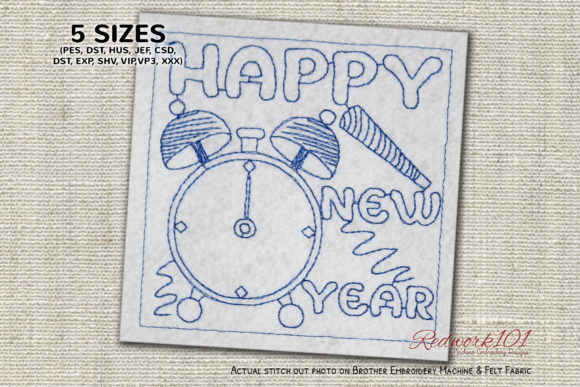
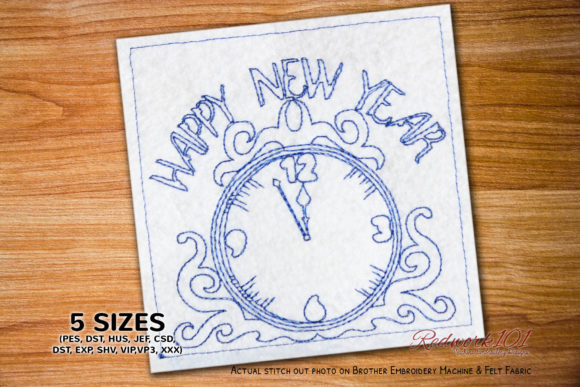
The Vintage New Year Clock Redwork reads as a premium, classic design with a friendly, handmade soul. The redwork style—traditionally single-color stitching in red thread—gives it a timeless, almost heirloom quality. This is not a bold, modern logo; it is a subtle, elegant mark that whispers nostalgia. For small business owners who want their brand identity to feel trustworthy and established, this design delivers. It suggests tradition, care, and a personal touch—ideal for Etsy sellers, craft brands, and local shops that want their embroidered patch or apparel decor to feel authentic. The clock motif itself communicates reliability, punctuality, and timelessness, which can be powerful for businesses wanting to build customer trust.
How Vintage New Year Clock Redwork Performs on Real Merchandise
In my testing for real-world business use, this embroidery file performs well across several product categories. Here is how it works on common small business merch items:
- Embroidered patches: The design translates beautifully into a sew-on patch. The redwork lines are clean enough to hold their shape at a moderate patch size, and the vintage clock face becomes a conversation piece on jackets, aprons, and totes.
- Apron embroidery: For bakeries, florists, or coffee shops, this design stitched on an apron pocket creates a warm, artisan look. The single-color redwork keeps production simple and cost-effective.
- Cap embroidery: I recommend testing the design on a curved cap front. The clock detail may need slight scaling to fit the curve without distorting. If your cap has a structured front, the design holds up well.
- Tote bag design: On canvas totes, the redwork style really shines. The stitch density is moderate enough that it doesn't pucker heavy fabric, and the vintage clock becomes a reusable branding statement.
- Work shirts and uniforms: For staff uniforms, this design offers a subtle, cohesive brand mark. It avoids being too loud while still being recognizable.
- Product packaging accents: I have seen small businesses use this as a detail on fabric gift bags or as a hang tag embroidery accent. It adds perceived value to handmade product presentation.
As a digital embroidery file, it is versatile enough for both apparel and accessory applications. The Backgrounds category placement suggests it can also serve as a textured backdrop for other design elements, but I see its strongest use as a standalone motif on merchandise.
Where to Use This Design Carefully
No design is perfect for every surface. Here are the situations where I recommend extra caution with Vintage New Year Clock Redwork:
- Small patch sizes: If you reduce the clock to less than two inches in diameter, the interior details—especially any fine hands or numerals—may become muddied. Always test at your target size before production.
- Curved surfaces: Cap fronts, sleeve curves, and small cylindrical items can distort the circular clock shape. Use a firm stabilizer and consider a test stitch-out on a similar curve.
- Tiny lettering: The description mentions optional box stitching and color variations, but if the design includes any small text, be aware that redwork lettering below 0.25 inches may not be legible after washing.
- High stitch density areas: Redwork typically uses running and satin stitches. Check the stitch count—if the clock face is densely filled, it could cause puckering on lightweight fabrics like performance tees or silk blouses.
- Dark uniforms: Red thread on black or navy fabric can look dramatic, but test contrast carefully. The design relies on the redwork lines being visible. You may need a lighter red or a different thread color for darker substrates.
- Frequent washing: For aprons or work shirts that see heavy washing, ensure your stabilizer and thread are high-quality. Red thread can fade over time, so consider a colorfast brand.
The Impact on Brand Identity and Customer Trust
Using Vintage New Year Clock Redwork on your merchandise does more than decorate—it communicates brand values. The vintage aesthetic signals craftsmanship, memory, and authenticity. For a small business, this can differentiate you from mass-produced competitors. Customers who purchase an embroidered patch or a tote bag with this design are likely to perceive your brand as thoughtful and detail-oriented. That perception builds recognition and trust over repeated exposures.
Moreover, the redwork style itself has a handmade, artisanal feel that aligns perfectly with Etsy sellers, crafters, and handmade product brands. It does not look like a corporate logo; it looks like something lovingly stitched. That emotional connection can drive customer engagement and repeat purchases. However, if your brand identity is modern, minimalist, or high-tech, this design may feel too rustic. Consider whether the vintage clock aligns with your visual consistency before committing.
For businesses that produce event merchandise or seasonal collections, this design can be a strong anchor. Its timeless quality means it won't go out of style quickly, and it can be used year after year without feeling dated.
Practical Designer Notes for Production
Before you send this design to production, I recommend the following steps based on my experience with similar commercial embroidery projects:
- Test in black and white first: Print the design as a line art mockup to evaluate the spacing, proportion, and detail clarity at your intended size.
- Check thread color contrast: Red on white or cream is classic. But if your merchandise is colored, stitch a small sample to ensure the red pops without clashing.
- Inspect spacing: Look for areas where stitches may overlap or leave gaps. Redwork designs depend on clean, even lines.
- Confirm hoop size: The design should fit comfortably within your available hoops. If you need to resize, do so in your embroidery software, maintaining proportion.
- Test on real fabric: Every fabric behaves differently. Test on your actual garment or patch material to see how the design settles.
- Use proper stabilizer: For patches, a tear-away or cut-away stabilizer works well. For apparel, choose a stabilizer that matches the fabric weight.
- Create a mockup for client approval: If you are producing for a client, use a printable mockup software to show the design on their chosen product before stitching.
- Compare beside other design assets: If the business has an existing logo or brand elements, place this design next to them to see if the visual language matches.
- Verify commercial licensing: Always confirm that the digital embroidery file you purchased includes commercial use rights. The description does not mention license terms explicitly, so check with the seller before using it on items you sell.
Additionally, the description notes that the box stitch is optional and that you can skip the outer color if it isn't part of the design. This gives you flexibility: you can stitch just the clock for a cleaner look, or include the box for a framed effect. I suggest testing both versions to see which resonates better with your brand identity and product use.
Final Thoughts on Vintage New Year Clock Redwork for Small Business Merch
Vintage New Year Clock Redwork is a strong candidate for small businesses looking to add embroidered merchandise to their product lineup. Its classic redwork style, moderate stitch density, and versatile clock motif make it suitable for patches, cap embroidery, apron embroidery, and tote bag design. It builds brand identity by evoking trust, craftsmanship, and timeless appeal. However, you must test it thoroughly at your target sizes and on your specific fabrics. Pay attention to the design's limits on curved surfaces and small scales, and always verify your licensing and production details before stitching.
If you are an apparel decorator, an Etsy seller, a handmade brand owner, or a product designer looking for a commercial embroidery file that feels both professional and personal, this design deserves a place in your digital collection. Use it wisely, and it will serve your small business merch with quiet confidence for years to come.