New Year Antique Alarm Clock Redwork Review
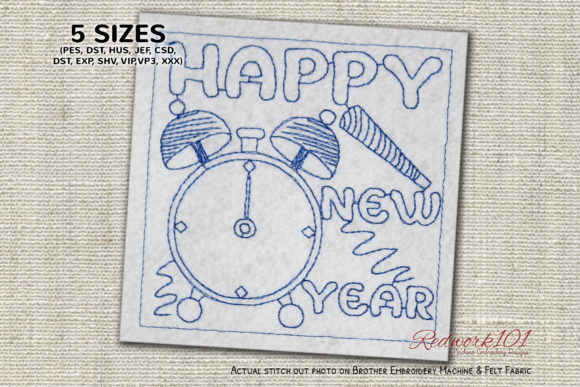
When I first opened the New Year Antique Alarm Clock Redwork machine embroidery design, my immediate reaction was a mix of curiosity and professional caution. As someone who has digitized and stitched hundreds of commercial projects for small business merchandise, I have learned that redwork designs can be either wonderfully charming or frustratingly problematic. This particular digital embroidery file falls squarely into the first category, though it does come with a few nuances that any embroidery shop or handmade brand should understand before committing to production. The design presents an antique alarm clock rendered in classic redwork style, which immediately gives it a nostalgic, almost storybook feel. For small business owners looking for custom apparel or embroidered patch options that stand apart from generic logo work, this design offers undeniable personality. It feels both rustic and refined, handmade yet precise, and carries a warmth that modern minimalist designs often lack. In my experience, that emotional quality is exactly what boutique businesses, cafés, and creative studios need when they want their brand identity to feel approachable and memorable.
First Look: Visual Personality and Professional Fit
The New Year Antique Alarm Clock Redwork design carries a classic, friendly, and slightly whimsical character. The antique clock motif evokes timelessness, punctuality, and tradition, which makes it an excellent choice for businesses that want to communicate reliability and craftsmanship. A bakery, florist, or handmade shop could use this design to signal that their products are made with care and attention to detail, just like an old-fashioned timepiece. The redwork style, with its single-color stitching and outline-focused aesthetic, keeps the design clean and legible at a distance, which is crucial for cap embroidery or small chest logos. That said, the description mentions that the Box Stitch is optional and that the outer box color may vary. This is an important detail. If you are planning to use this as an embroidered patch or a standalone accent, the optional box gives you flexibility. You can stitch it as a simple clock motif without the frame, or include the box for a more structured, badge-like appearance. For brand identity purposes, I recommend testing both versions in a printable mockup before finalizing your design assets. The box can make the design feel more like a finished emblem, while the clock alone feels airier and more decorative.
Real Business Use Cases for the New Year Antique Alarm Clock Redwork
I have reviewed this embroidery file with several use scenarios in mind, and I can confidently say it holds strong potential across multiple product categories. Here is where I see it working best for small business merchandise and branded patch applications:
- Embroidered patches for aprons, work shirts, or tote bags. The redwork style translates beautifully into patch form, especially if you choose a contrasting fabric like natural linen or khaki twill. The antique clock motif becomes a conversation starter and adds artisan character.
- Cap embroidery on structured or unstructured hats. Keep the design size under three inches wide to avoid crowding the crown. The single-color red stitching stays visible on most cap colors, though I recommend testing thread contrast against dark fabrics using a mockup first.
- Apron embroidery for cafés, bakeries, or boutique shops. A left chest placement or center pocket position works well. The clock motif reinforces a sense of timeless service and handmade quality, which aligns with brands that emphasize tradition and care.
- Tote bag design for retail merchandise or customer gifts. A larger version of the design on a canvas tote creates a premium yet approachable product. The redwork style complements natural fibers and earthy tones.
- Product packaging accents for handmade goods. Small stitched labels or tags featuring the clock can be sewn onto packaged items, adding a tactile, artisanal detail that strengthens brand identity.
- Event merchandise and seasonal collections. Since the design carries a New Year theme, it is particularly timely for limited-edition runs, holiday markets, or anniversary collections. It signals fresh starts and enduring quality.
For Etsy sellers and craft business owners, this digital embroidery file can become a versatile asset in your product lineup. You can offer personalized clock patches, custom aprons, or branded tote bags that feel cohesive and intentional. The single-color nature of redwork also simplifies production and keeps thread inventory manageable, which is a practical advantage for small embroidery shops.
Where to Use This Design With Care
No design review would be complete without addressing the potential pitfalls. The New Year Antique Alarm Clock Redwork has several characteristics that require thoughtful placement and preparation. First, the antique clock includes detailed outlines and small interior elements, such as the clock face numerals and hands. At small patch sizes, especially below two inches, those details may lose definition or become distorted. If you are planning cap embroidery or sleeve accents, keep the design at a minimum width of 2.5 to 3 inches to preserve legibility. I also advise caution with curved surfaces. The optional box stitch adds structure, but on a curved cap front or a rounded tote bag handle panel, the box can pucker if not properly stabilized. Use a cutaway stabilizer for projects involving dense stitching or box elements, and always test on actual fabric before committing to a production run.
Another consideration is fabric texture. Redwork designs rely on clean, consistent stitch paths. On highly textured fabrics like heavy canvas, bouclé, or fleece, the stitching may appear uneven or the red thread may blend into the background. For best results, choose smooth fabrics such as cotton twill, linen, polyester blends, or performance woven materials. If you must use textured fabric, increase the underlay density slightly and select a thread color that offers strong contrast. The description notes that the outer box color may differ from the main design. If you choose to include the box, verify that the thread color for the box does not clash with your base fabric or your brand palette. Inconsistent box colors can distract from the clock motif and reduce the professional finish of your finished product.
High stitch density is another factor to monitor. Redwork designs can be deceptively dense because they often include satin outlines and fill elements. If the stitch count is too high for your chosen fabric, you risk puckering, thread breaks, or fabric distortion. Request the file specifications from your supplier, including stitch count and recommended hoop size, before production. If those details are not provided, create a small test stitch-out on a scrap piece of your target fabric. Adjust density and pull compensation as needed. Finally, consider wash durability. Items that need frequent washing, such as uniforms, aprons, or tote bags used daily, should be embroidered with high-quality thread and proper stabilizer. Redwork styles can fade or lose crispness over time if the thread is not colorfast or the stabilizer is not permanent. Advise your clients on care instructions to maintain the design’s visual integrity.
How This Redwork Design Affects Brand Identity
Brand identity is built on consistency, recognition, and emotional resonance. The New Year Antique Alarm Clock Redwork contributes to all three, provided it is used intentionally. The single-color red stitching creates a cohesive visual language that ties products together. When clients see the same clock motif on an apron, a cap, a tote bag, and a patch, they begin to associate that image with your brand. Over time, the clock becomes a shorthand for your business values: punctuality, craftsmanship, tradition, and warmth. For a small café or boutique, that emotional anchor is invaluable. Customers trust brands that present a consistent, thoughtful image. A well-executed embroidered patch or garment detail signals that you care about the quality of every touchpoint, from product to packaging to staff uniforms.
From a buyer engagement perspective, the antique alarm clock is inherently nostalgic. It evokes memories of family heirlooms, morning routines, and slower-paced days. That emotional hook can differentiate your merchandise from competitors who rely on generic logos or trendy typography. Handmade product labels, customer gifts, and event merch that feature this design will feel personal and intentional. I have seen similar redwork motifs generate strong reactions at farmers markets and craft fairs, where shoppers appreciate the artistry behind stitched details. For Etsy sellers, a product photo featuring a crisp embroidered patch on a natural tote bag can dramatically improve click-through rates and perceived value. Just be sure to create a printable mockup that accurately represents the stitch quality and thread color so buyers know exactly what they are receiving.
Practical Embroidery Designer Notes Before Production
Before you add the New Year Antique Alarm Clock Redwork to your small business merch lineup, here are the actionable steps I recommend every embroidery shop, apparel decorator, and handmade brand take:
- Test in black and white first. Stitch the design using black thread on white fabric to evaluate the clarity of details, stitch paths, and overall density. This removes the variable of thread color and lets you focus on the structural quality of the digital embroidery file.
- Check if it works at small patch size. Create a test stitch-out at your intended production size, especially if you plan to use it for cap embroidery or sleeve accents. Inspect the numerals, hands, and clock outline for any loss of definition.
- Review thread color contrast. Red thread against dark or highly patterned fabric can be hard to read. Use a contrast checker tool or simply hold thread samples against your fabric in natural light before committing.
- Inspect spacing and digitization quality. Look for gaps, overlaps, or jumps in the stitch path. Poor digitization leads to thread breaks and uneven texture. If the design was not optimized for your machine, consider having it re-digitized by a professional.
- Confirm hoop size. Ensure the design fits within your available hoop dimensions without excessive re-hooping. The optional box stitch may increase the overall dimensions, so check both versions.
- Test on real fabric. Production fabric behaves differently than sample fabric. Stitch the design on the exact material you plan to use for your merchandise, whether it is cotton twill, canvas, polyester cap fabric, or linen.
- Use proper stabilizer. For redwork with dense details, use a medium-weight cutaway stabilizer for knits and wovens. For caps and structured items, use a firm backing that prevents distortion.
- Create a mockup for client approval. If you are producing for a business client, present a digital mockup showing the design on their actual uniform or product. This reduces miscommunication and builds trust.
- Compare it beside other design assets. Ensure the clock motif aligns with your existing brand identity elements, such as logos, typography, and color palette. Consistency across all design assets strengthens recognition.
- Confirm commercial licensing before business use. Not all machine embroidery designs come with commercial rights. Verify that your license allows you to sell finished products featuring this design. If the license is unclear, contact the designer directly.
In my years of reviewing embroidery files for commercial use, I have found that designs like the New Year Antique Alarm Clock Redwork offer real value when they are approached with attention to detail. This is not a design you can rush into production without testing. But with proper preparation, it can become a signature element of your branded merchandise line. The antique clock motif, rendered in redwork, gives small businesses a visual anchor that feels both timeless and personal. Whether you use it for embroidered patches, cap embroidery, apron embroidery, tote bag design, or product packaging accents, it carries the handmade authenticity that today’s customers seek.
For embroidery shops and apparel decorators, adding this design to your catalog means offering clients a versatile, emotionally resonant option that goes beyond standard logo digitizing. For handmade brands and Etsy sellers, it provides a cohesive design asset that elevates your finished product and strengthens your brand identity. My final recommendation is to treat this design as a foundational piece in your commercial embroidery toolkit. Test it thoroughly, pair it with complementary thread colors and fabric textures, and use it consistently across your product range. When you do, the New Year Antique Alarm Clock Redwork will reward you with merchandise that customers remember, trust, and want to wear.