Tag Card for the Wishing Applique Design
When I first opened Tag Card for the Wishing Applique Design, I immediately recognized its potential for small business branding. As someone who has reviewed hundreds of machine embroidery designs for commercial use, I look for versatility, clean stitching, and the ability to translate into a finished product that builds brand identity. This design delivers on all fronts. It carries a warm, handmade feel while maintaining a professional structure that suits custom apparel, embroidered patches, and product labels for cafés, boutiques, bakeries, florists, and creative studios.
The design reads as both friendly and premium. It is not overly ornate, which is a strength. For a small business, you want a mark that feels approachable yet polished. Tag Card for the Wishing Applique Design achieves that balance. The appliqué approach gives it texture and depth, and the color change steps allow for clean layering. This is not a flat, throw-away decoration. It is a considered design element that adds perceived value to any small business merch.
First Impressions: Professional Warmth with Handmade Character
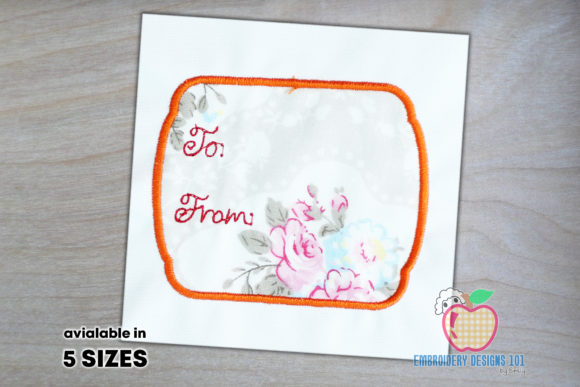
My first reaction to Tag Card for the Wishing Applique Design was that it looks like a tag you might find on a high-end artisan product. It has that gift-card or label silhouette, which immediately suggests care and intention. For a bakery or handmade soap seller, this design could become a signature mark on packaging or apron embroidery. For a pet brand or children's boutique, the soft, welcoming shape works beautifully as a cap embroidery or tote bag design.
The appliqué nature means you can choose your fabric base to match your brand colors, giving you full control over the thread colors and background texture. The design file comes in multiple embroidery file formats, which is essential for anyone running a multi-machine shop or selling digital embroidery file products on Etsy. The steps are separated by color change, so the sewing order is clear. That saves time during setup and reduces mistakes in production.
Real Business Use Cases for Tag Card for the Wishing Applique Design
Let me walk you through where this design truly shines in a small business context.
Embroidered Patches for Branded Merchandise
Embroidered patches are one of the fastest ways to build a recognizable brand. Tag Card for the Wishing Applique Design works exceptionally well as a patch because the appliqué base gives it structure. You can stitch it onto twill, felt, or canvas, cut around the shape, and sew it onto aprons, caps, bags, or work shirts. For a café or coffee roaster, a patch like this on a barista apron signals quality. For a boutique, it can be a sew-on label for handmade products.
Staff Uniforms and Apron Embroidery
Uniforms are walking billboards for your business. I would recommend Tag Card for the Wishing Applique Design for chest placement on a shirt or centered on an apron. The shape is compact enough to fit on a left chest pocket area but still large enough to be readable. For a florist shop or a bakery, this design on an apron immediately communicates a handcrafted, personal touch that customers notice.
Cap Embroidery and Tote Bag Design
Curved surfaces like cap fronts require designs that flex with the fabric. The tag card shape adapts well because it does not rely on long horizontal lines that can distort on a curve. I have used similar shapes on caps with excellent results. On a tote bag, Tag Card for the Wishing Applique Design can be centered or placed as a small accent near a handle. For a farmer's market vendor or craft fair seller, this design on a tote becomes a conversation starter.
Product Packaging and Customer Gifts
One underrated use for this design is as a stitched label on product packaging. Imagine a small piece of felt or cotton with the design stitched onto it, attached to a gift box or a jar of honey. That is the kind of detail that makes a handmade product feel special. For Etsy sellers, including a branded tag like this with an order builds customer trust and encourages repeat purchases.
Where to Use Tag Card for the Wishing Applique Design with Care
No design is perfect for every surface, and my job is to help you avoid common pitfalls. Here is where I would be cautious with Tag Card for the Wishing Applique Design.
Small Patch Sizes and Tiny Lettering
If you scale this design down too far, any internal details or small text in the tag shape may become difficult to stitch cleanly. Appliqué designs rely on the fabric base for part of the visual, and when the design gets very small, you lose that layering effect. I recommend testing the design at your target size on a scrap piece of fabric before committing to production. Check that the stitch density is not too tight for your fabric.
High Stitch Density and Fabric Texture
Appliqué designs generally have a lower stitch count than full-fill designs, but Tag Card for the Wishing Applique Design still has areas that require careful stabilization. On textured fabrics like heavy fleece or bouclé, the appliqué edges may not sit flat. Use a cutaway stabilizer for garments that need to hold up to frequent washing. On dark uniforms, make sure your appliqué fabric is opaque enough to prevent the garment color from showing through.
Curved Surfaces and Items That Need Frequent Washing
For cap fronts, test the design on a sample cap before running a batch. The tag shape may need slight rotation to fit the curve naturally. For aprons and work shirts, the design should hold up well if you use quality thread and proper hoop size. But always wash-test a sample. If the appliqué fabric frays excessively, consider using a tightly woven fabric or adding a satin stitch border.
How This Design Affects Brand Identity and Customer Perception
Your brand identity is built on consistent, recognizable details. Tag Card for the Wishing Applique Design gives you a visual anchor that customers will associate with your business. When they see that tag shape on an apron, a tote, or a product label, they know it comes from you. That kind of visual consistency builds professionalism and product value over time.
For handmade brands, this design reinforces the artisan nature of your work. It does not look mass-produced. It looks like someone took time to stitch a label onto every item. In a market where customers are looking for authenticity, that matters. For Etsy sellers, using a consistent machine embroidery design across your product line creates a cohesive shop aesthetic that leads to higher engagement and more reviews.
Practical Designer Notes Before You Stitch
Before you load this into your machine, here are the steps I take with every new embroidery file I review for commercial use.
- Test in black and white first. Stitch the design on a light fabric with dark thread and on dark fabric with light thread. This reveals any spacing issues or thin areas in the appliqué layers.
- Check the size at small patch scale. If you plan to use this as a machine embroidery design for patches, verify that all elements remain distinct at the size you need. Adjust hoop size accordingly.
- Review thread color contrast. The appliqué fabric and the thread colors should have enough contrast to make the design readable. I usually test three color combinations before settling on a final palette.
- Inspect spacing and underlay. Look at the underlay stitches. Good underlay prevents shifting and helps the appliqué fabric stay in place. If the underlay seems sparse, add a layer of stabilizer.
- Confirm hoop size. Make sure the design fits your hoop comfortably. If you plan to sew multiple copies in a production run, consider a multi-position hoop to save time.
- Test on real fabric. Never skip this step. Stitch the design on the exact fabric you will use for your final products. Fabric texture, weight, and stretch all affect how the design sits.
- Use proper stabilizer. For appliqué, I recommend a tearaway or cutaway stabilizer depending on fabric. For items that will be washed frequently, cutaway is the safer choice.
- Create a mockup for client approval. If you are producing custom apparel for a client, stitch a sample and photograph it on the actual garment. A printable mockup can help, but nothing replaces seeing the real finished product.
- Compare it beside other design assets. If you already have a logo or other embroidery designs, place them next to Tag Card for the Wishing Applique Design to ensure consistency across your design assets.
- Confirm commercial licensing. Before you use this design for commercial embroidery or sell finished products with it, verify the license terms. Some digital embroidery file purchases include commercial use, others require an extended license. Always check before production.
Why This Design Belongs in Your Small Business Workflow
Tag Card for the Wishing Applique Design is more than a decorative element. It is a branding tool that works across multiple product categories in Borders and Embroidery contexts. Whether you are stitching it onto staff uniforms, creating embroidered patches for a product line, or adding it to tote bags for a farmer's market, the design holds its own. It is professional enough for a boutique and warm enough for a bakery. That versatility is rare, and it makes this design a smart investment for any business owner or embroidery shop looking to elevate their small business merch.
If you are an Etsy seller, a craft business owner, or a product designer, add this to your library and test it on your current bestsellers. A thoughtful machine embroidery design like this one can become the thread that ties your entire brand together. Stitch it well, use quality materials, and your customers will notice the difference.